As an Amazon Associate, we earn from qualifying purchases. Some links on this site are affiliate links at no extra cost to you. Our recommendations are based on thorough research and editorial judgment.


Age-Appropriate Independence in Getting Dressed

Get ready to watch your little one commence on an adorable journey of dressing independence! From ages 1.5 to 2 years, toddlers joyfully explore dressing with their growing motor skills. By ages 2-3, they can proudly remove socks and shoes, while ages 4-5 bring zipping jackets and making stylish choices! As they master these skills, dressing becomes a magical adventure! Don’t miss out on the fun ways to support their confidence and skills – there’s so much more to discover!
Key Takeaways
- Toddlers (1.5-2 years) should be encouraged to explore dressing independence with simple fasteners and soft fabrics for comfort.
- By ages 2-3 years, children can partially dress themselves, removing socks and shoes while requiring assistance with hats and gloves.
- At ages 3-4 years, children refine coordination, distinguish clothing orientation, and begin tackling large buttons with minimal help.
- Children aged 4-5 years can independently put on t-shirts and pants, often choosing vibrant clothing that reflects their personality.
- By ages 5-6 years, kids master various fasteners, tie shoelaces, and express pride in their outfit choices as part of growing independence.
Early Interest and Foundations (Ages 1.5 to 2 Years)
You may be interested


As toddlers begin to navigate the world around them, they experience a delightful adventure in dressing independence! At 1.5 to 2 years old, you’ll notice those adorable little ones pushing their arms through sleeves and giggling joyfully as they explore pants openings. This early toddler engagement is essential for building dressing motivation, helping them feel accomplished! With improved motor skills and a growing sense of self, they enthusiastically imitate your dressing actions. Encourage their curiosity with clothing featuring simple fasteners and bright colors that spark joy! Remember, patience is key! A little fun goes a long way, and soon enough, they’ll march proudly in their favorite outfits, ready to take on the day while looking fashionably cute! What a magical journey! Choosing clothing made from soft fabrics can enhance their dressing experience by providing comfort as they explore their independence.
Recommended Products

Upgrade Material, Close-to-Skin: Featuring sewing techniques, all the loops are arranged tightly and firmly on the fastener, ensuring that the loop side is not easy to shed hair. It is more durable and soft than standard fastener, and non-irritating

TIME SAVING: A soft, stylish all-day and all-night wardrobe staple with smart magnetic fasteners that makes changing time painless. With our no over-the-head design, simply open the outfit, insert baby, and BOOM, DONE! - the footie practically closes itself. Machine wash as directed.
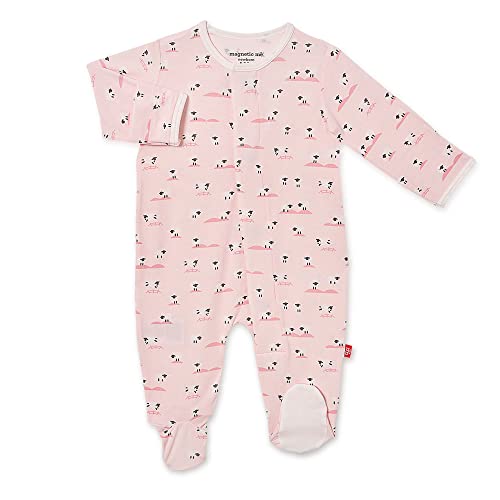
TIME SAVING: A soft, stylish all-day and all-night wardrobe staple with smart magnetic fasteners that makes changing time painless. With our no over-the-head design, simply open the outfit, insert baby, and BOOM, DONE! - the footie practically closes itself. Machine wash as directed.
Typical Dressing Milestones at Ages 2-3 Years

At ages 2 to 3 years, toddlers commence a thrilling journey of dressing independence that’s as adorable as it is exciting! During this magical period, your little ones tackle dressing challenges with newfound motor coordination. They can remove socks and shoes and even tackle hats and gloves with a little help! By age 3, they are confidently pulling up loose pants, fostering their potty training skills. They begin buttoning and unzipping, too—watch out for those tiny fingers at work! Your child may try to handle shirts and jackets—sometimes backward, but who cares? Celebrate those cute fashion flops! Encourage their independence by providing fun, engaging clothes that help them conquer each dressing milestone with pride and giggles! Additionally, consider clothing made from bamboo fabric for its softness and breathability, ensuring comfort during this active phase.
Recommended Products

Soft Fabric - Indulge in softness with our short-sleeve baby bodysuits - crafted from 96% viscose, and 4% Spandex. Delight in the buttery softness, gentle on sensitive skin. This fabric acts as a moisture-wicking sanctuary, ensuring a dry and snug embrace. With a stretchy composition that molds to your baby's body, it flexes seamlessly with every adorable move. Elevate comfort with PurComfy – where opulence meets the perfect blend of softness and functionality.

COMFORTABLE PREMIUM DRESS - Our dress is made with 95% viscose from bamboo and 5% spandex. The fabric is ultra-soft, smooth and 4-way stretch, absorbs sweat quickly, drives dampness away, provides baby ultimate comfort, perfect for kid's tender skin

Redefine Softness: Our cozy pajamas feature extra length to fit longer than average toddler girl pajamas or toddler boy pajamas, made from viscose from bamboo that's gentle on sensitive skin for your baby boys, baby girls , and toddlers
Developmental Skills Progression: Ages 3-4 Years

Building upon those adorable dressing milestones achieved at ages 2 to 3, children experience an exciting leap in their independence from ages 3 to 4! During this magical time, little ones refine their motor coordination, putting on t-shirts with just a tad of help and zipping jackets on their own. They can recognize clothing orientation, distinguish between the front and back, and even tackle those large buttons! While they may still get their shoes on the wrong foot sometimes, they’ve got socks mastered, heel placement and all. Watching your child dress themselves is pure joy—just imagine the pride they’ll feel! To celebrate this growth, confirm their wardrobe includes easy fasteners and fun choices. Furthermore, incorporating age-appropriate clothing can enhance their dressing experience while fostering independence. Raising independent dressers has never been more delightful!
Increasing Independence: Ages 4-5 Years

Watch out world, here comes your little dressing dynamo! At ages 4-5, children are mastering dressing techniques, making their clothing choices more vibrant and personal. They can put on t-shirts, step into pants, and even zip their jackets! It’s adorable to watch as they express themselves through their unique style! Though tying shoelaces remains a challenge, their fine motor skills are growing. Encouraging autonomy boosts their confidence, making getting dressed a daily adventure! Combine fun, accessible clothing with simple fasteners like velcro and large buttons to help them shine. Remember, every little victory in dressing is a magical moment to celebrate! So, gear up to embrace their individuality, and watch them blossom into confident self-dressers! Additionally, consider incorporating soft and comfortable fabric into their wardrobe for enhanced ease during dressing.
Mastery and Refinement: Ages 5-6 Years

The journey to dressing mastery is an exciting adventure for children ages 5 to 6! At this stage, little ones are packed with dressing confidence as they master clothing fasteners. They can tie their shoelaces, zip zippers, and button up those adorable shirts! These skills come from improved motor skills, hand-eye coordination, and dexterity, making dressing a breeze. Children can even recognize inside-out clothing and put socks and shoes on the right feet! Plus, they take pride in making choices about their outfits, expressing their unique style. This magical blend of skills fosters independence and helps them shine bright. Let your child experience the fun of dressing mastery—it’s just a few buttons away! Additionally, understanding the advantages of moisture-wicking pajamas can enhance their comfort while they explore their independence.
Factors Influencing Dressing Independence Development
As children commence on their delightful journey towards dressing independence, various factors come into play that can either boost or challenge their progress! First, strong motor skill acquisition is essential; mastering gross and fine motor skills will help your little ones zip, button, and tie their way to adorable outfits! Then, cognitive development plays an important role—understanding which leg goes where takes some serious brainpower! Plus, a supportive environment with comfy clothes and helpful caregivers makes magic happen. Encourage practice through role play and daily routines, adding a sprinkle of fun! Remember, each milestone reached boosts their confidence, turning dressing struggles into charming victories! So, get ready for your future fashionista—independence awaits! In addition, wearing matching family pajamas can create a sense of unity and enhance confidence as children explore their personal style.
Frequently Asked Questions
What Are Signs My Child Is Ready to Start Dressing Independently?
As blossoms unfurl, a child’s enthusiasm surfaces, indicating independent dressing readiness. Self dressing milestones bloom through attempts at putting on simple clothing, consistent choices, and motivation to practice, signaling burgeoning confidence and autonomy in their abilities.
How Can I Encourage My Child’s Dressing Skills at Home?
To encourage dressing skills at home, caregivers should establish consistent dressing routines and offer a variety of clothing choices. This promotes independence and practice, enhancing children’s confidence and abilities in managing their own attire.
What Types of Clothing Are Best for Early Dressing Practice?
Clothing textures whisper encouragement as children navigate their early dressing practice. Simple layouts, minimal layering techniques, and sensory-friendly fabrics emerge as allies, fostering independence while transforming the often challenging path of self-dressing into an adventurous journey.
How Should I Handle My Child’s Frustrations With Dressing?
To handle dressing frustrations, caregivers should provide emotional support, break tasks into smaller steps, and introduce calming strategies. Celebrating small successes fosters confidence and encourages persistence, making dressing a positive experience for the child.
What Are Common Dressing Challenges for Children With Special Needs?
Common dressing challenges for children with special needs include sensory sensitivities that trigger discomfort and difficulties with fine motor skills, making tasks like fastening clothing problematic, leading to resistance and emotional distress during dressing routines.


