As an Amazon Associate, we earn from qualifying purchases. Some links on this site are affiliate links at no extra cost to you. Our recommendations are based on thorough research and editorial judgment.


How Bamboo Viscose Differs From Bamboo Lyocell

Bamboo viscose and bamboo lyocell are two delightful fabrics with distinct qualities! Bamboo viscose uses harsh chemicals in its production, while bamboo lyocell employs a safe, eco-friendly process that reuses solvents, making it a superstar for the planet! You’ll love the silky smooth feel of both, but lyocell is more durable and breathable. Choosing these fabrics can create magic in your wardrobe! Stick around to discover even more fabulous information about these amazing materials!
Key Takeaways
- Bamboo Viscose is produced using harsh chemicals, while Bamboo Lyocell employs a non-toxic solvent in a closed-loop system, recycling the majority of chemicals used.
- Bamboo Lyocell is more eco-friendly, reducing greenhouse gas emissions and supporting sustainable practices due to its efficient chemical recycling.
- In terms of texture, Bamboo Viscose is ultra-soft and cotton-like, while Bamboo Lyocell is silky smooth and highly breathable.
- Bamboo Lyocell is more durable and resists wear better than Bamboo Viscose, which tends to wear out faster with frequent washing.
- Bamboo Lyocell promotes safer working conditions, contrasting with Bamboo Viscose, which poses significant health risks for workers during production.
Chemical Processing Differences
You may be interested
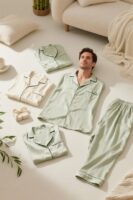


When it comes to the world of bamboo fabrics, the chemical processing differences are truly fascinating! Bamboo viscose uses harsh chemicals like caustic soda and carbon disulfide, posing risks to your health and the environment. Who wants that in their wardrobe? Yikes! In contrast, bamboo lyocell is made with the adorable, non-toxic solvent NMMO, which has amazing chemical safety credentials! Plus, this process wraps up more than 99% of its solvents in a magic closed-loop system, making it a superstar in solvent recovery! With lyocell, you’re not just buying fabric; you’re investing in fabric that keeps your skin safe and feels wonderful! Additionally, bamboo fabrics exhibit moisture-wicking properties, ensuring that you stay dry and comfortable throughout the day. Choose wisely, because who doesn’t want an eco-friendly wardrobe that’s both stylish and safe?
Environmental Impact

While you might be focused on the softness of your new bamboo shirt, the environmental impact of bamboo fabric is equally important! Bamboo farming has its perks! Bamboo lyocell stands out as an eco-friendly superstar, thanks to its magic closed-loop system. It recycles over 98% of its chemicals, delightful news for pollutant management! This reduces harmful waste compared to the more chemical-heavy bamboo viscose. Plus, bamboo lyocell uses up to 53% less fossil fuel energy, cutting down on greenhouse gas emissions. By choosing bamboo lyocell, you’re not just getting an adorable shirt, but also supporting sustainable practices! Additionally, bamboo fabric is known for its moisture-wicking properties, making it a practical choice for active wear. So, why not wear something that feels good and helps the planet? Your wardrobe can be both fabulous and eco-conscious!
Recommended Products
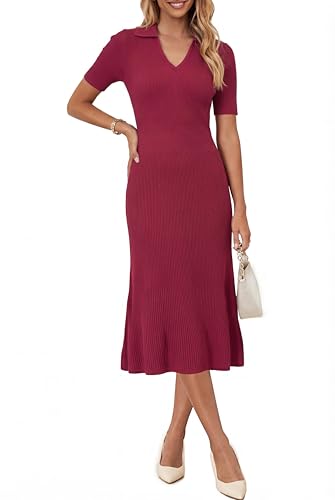
Lyocell Blend Knit: a lightweight and breathable blend that offers exceptional comfort for sensitive skin; perfect for a versatile Women's long Dress that transitions seamlessly from Spring to Summer and even Winter layering.

Noah’s Ark Baby Pajamas in Premium Bamboo Lyocell: These Christian baby clothes are crafted from organic bamboo for ultra-soft, breathable, and hypoallergenic comfort—perfect for sensitive skin and everyday wear.

Fabric: 94% Lyocell Natural Fiber, 6% Spandex (more breathable and eco friendly than modal). Super soft and cozy, this two-piece set provides breathable and lightweight coverage. Your child can wear it for a more comfortable and restful sleep.
Fabric Texture and Performance

After exploring the wonderful environmental benefits of bamboo fabric, it’s time to appreciate how these two types of bamboo textiles feel and perform in your wardrobe! Bamboo viscose boasts an ultra-soft, cotton-like texture that feels luxurious against your skin. Think high-quality silk without the hefty price tag! In a comfort comparison, bamboo lyocell is silky smooth and highly breathable, perfect for warm days when you want to stay cool. Both fabrics have magic qualities that keep you comfortable, but bamboo lyocell’s uniform fibers add an extra layer of smoothness and moisture-wicking power. You’ll love the adorable drape of both fabrics, making them perfect for any outfit. Additionally, bamboo fabric is known for its moisture-wicking properties, which helps to keep you dry and comfortable throughout the night. Why not treat yourself to that lovely feel today?
Recommended Products

Premium Lyocell Blend: Soft, breathable, and skin-friendly fabric keeps you cool while resisting wrinkles and pilling for lasting wear

【PRODUCT INCLUDES】1 Yard bamboo fabric (36l x 56w inch). Each quantity comes in separate piece. Ex: If you choose 1 yards with quantity of 2, you will receive 2 separate 1 yard pieces.

Durability and Care

Durability and care are essential factors to contemplate when choosing your bamboo fabrics! When it comes to fabric lifespan, bamboo lyocell wins the durability contest, resisting wear and tear like a true superhero! Meanwhile, bamboo viscose is charming but might wear out a bit faster, especially with frequent washing. Care tips are equally important—wash lyocell in cold or warm water, and air-dry if you can! Bamboo viscose loves gentle care too, but watch out for high heat that can shrink its fabulousness! Remember, a mild detergent will keep both types soft and lovely. Additionally, bamboo fabric’s moisture-wicking properties ensure a comfortable wearing experience, making it a great choice for various temperatures. So, pick your favorite bamboo fabric, and enjoy that adorable wardrobe upgrade! Who knew shopping could feel like a magical quest for durability? Happy fabric hunting!
Recommended Products

PREMIUM MATERIALS – Summermia washcloths are made from a combination of 70% viscose derived from bamboo and 30% cotton, the same premium materials for baby washcloths in our manufacturer. This ideal blend with natural fibers is remarkable in softness, absorbency, and strength.

Complete Reusable Cleansing & Exfoliation Set - An 8-piece premium bundle designed for a full at-home facial and body care ritual. Includes 5 ultra-soft bamboo viscose face towels, 2 plush microfiber makeup remover cloths, and a 36" exfoliating body towel for a complete cleanse-and-glow routine.
Production Costs and Availability

Choosing the right bamboo fabric isn’t just about durability; production costs and availability play a significant role in your shopping adventure! Bamboo viscose is like the trusty friend you can always count on—it’s more affordable and widely available, thanks to its established supply chain and simpler production efficiency. On the other hand, bamboo lyocell, while pricier, offers eco-friendly magic with its advanced closed-loop technology! As its popularity grows, you may find this adorable fabric becoming more accessible, too. Additionally, the eco-friendliness of bamboo fabric aligns with sustainable practices, appealing to environmentally conscious consumers. So, whether you’re choosing a cozy t-shirt or luxury bed sheets, consider the balance of cost and availability. It’s like a fun treasure hunt for the perfect blend of value and comfort! Happy shopping!
Manufacturing Origins and Definitions
When diving into the world of bamboo fabrics, understanding the manufacturing origins and definitions is like finding the treasure map before your shopping adventure! Bamboo viscose and bamboo lyocell may both originate from the lovely bamboo plant, but they belong to distinct bamboo classifications. Bamboo viscose, a semi-synthetic fabric, falls under the rayon types umbrella, made using traditional chemical processes. Meanwhile, bamboo lyocell is the newer magic fabric, created through an eco-friendly closed-loop process. Both fabrics offer delightful softness, but their routes to getting there are quite different. Additionally, bamboo viscose production requires less water compared to cotton, making it a more sustainable choice. So, as you choose your next adorable outfit, knowing these fabric origins helps you make an informed and fabulous decision! Happy shopping!
Health Risks for Workers
While exploring your options for fashionable and comfy bamboo fabrics, it’s essential to shine a spotlight on the health risks for workers involved in bamboo viscose production! Unfortunately, health hazards lie beneath those adorable garments. Workers often encounter toxic chemicals like sodium hydroxide and carbon disulfide, which can lead to serious conditions, including nerve damage and even heart issues. Yikes! These safety concerns should make you think twice about supporting viscose production. Instead, why not consider bamboo lyocell? It’s made using a closed-loop process that greatly reduces chemical exposure and promotes worker safety! Additionally, choosing bamboo lyocell supports eco-friendly sleepwear options that contribute to sustainable practices. So, when shopping for your next fav fabric, keep those workers in mind—your choices can help make their world a safer, healthier place!
Eco-Friendliness and Sustainability
Sustainable fashion enthusiasts rejoice—bamboo lyocell is here to save the day! This eco-friendly superstar comes from bamboo cultivation and uses non-toxic solvents in a magical closed-loop system. Imagine the thrill of knowing that over 99% of chemicals are recycled! Zero chemical runoff means cleaner water for our oceans. Plus, bamboo lyocell is a champion of energy efficiency, so you can feel great about your fashion choices! Just check for eco labeling, which highlights its commitment to sustainability. Let’s face it—who wouldn’t want adorable, soft clothing that’s better for the earth? Additionally, the environmental impact of bamboo fabric is significantly lower than that of traditional textile materials. Switch to bamboo lyocell today and join the textile revolution that keeps both you and the planet smiling! 💚 Every little change counts!
Market Trends and Consumer Preferences
Enthusiastic for fashion that looks great and feels even better? The bamboo textile market is on fire! With a stunning growth forecast, it’s no wonder consumers are flocking to these fabulous fabrics. The rising consumer demand for bamboo textiles is driven by their natural properties like breathability and softness. As more people appreciate the magic of bamboo lyocell, blending this eco-friendly option with other fibers creates adorable garments and cozy home textiles! Activewear, casual wear, or bed linens—bamboo has it all! Isn’t it delightful to know that your choices contribute to sustainability? Additionally, choosing sustainably sourced bamboo supports eco-friendly practices that benefit the environment. So, immerse yourself in the world of bamboo fabrics and experience the comfort and eco-conscious style that everyone is raving about. Happy shopping!
Recommended Products
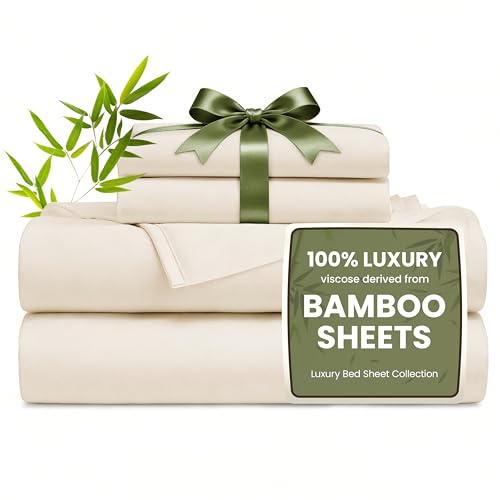
Silky Soft: Our Queen Size Bed Sheets are made from 100% Viscose derived from bamboo with a unique twill weave, making it stronger than cotton and smooth like silk. Moreover, sleep like you're on a cloud with our comfy bed sheets.This is an ideal option for hot sleepers.

AWARD-WINNING COOLING: Made from rayon derived from bamboo, these cooling sheets reign supreme in breathability and moisture-wicking, and are endorsed by Forbes Vetted and The New York Post

ORGANICALLY GROWN: Received "Best Organic Sheets" from Forbes and "Best Stain-Resistant" from The Spruce Approved. DOZ sheets are made of 100% viscose derived from Bamboo from sustainably-run and organically grown farm. Oeko Tex Class 1 certified with the strictest requirements.
Future of Bamboo Fabrics
How could the future of bamboo fabrics be any brighter? With exciting bamboo innovations and industry advancements, the possibilities are endless! Eco-friendly processes like the closed-loop lyocell method are reducing waste, making production cleaner and greener. Imagine cozy bamboo linens crafted using natural enzymes—sounds adorable, right? As researchers explore new ways to extract fibers without harmful chemicals, more affordable options will emerge. Plus, bamboo’s rapid growth makes it a superstar in sustainability. So, if you’re on the hunt for eco-conscious clothing that benefits our planet, bamboo is the magical choice! Embrace stylish durability that breathes easily and biodegrades naturally—let’s make eco-friendly fashion the next big trend! Bamboo pajamas are also becoming increasingly popular for their comfort and functionality, making them a desirable choice for loungewear. Time to hop on the bamboo bandwagon!
Frequently Asked Questions
Can Bamboo Viscose and Lyocell Be Recycled?
In a world where fabric sustainability matters, bamboo recycling proves feasible. Bamboo lyocell excels due to its closed-loop process, while viscose struggles with complex recycling challenges. Both fibers offer chemical recycling options, though effectiveness varies considerably.
How Do I Identify Lyocell Versus Viscose Fabrics?
Identifying lyocell versus viscose fabrics involves examining viscose fabric characteristics, which tend to be thicker and less uniform, against lyocell’s lighter feel and smoother texture, resulting from its non-toxic production process and closed-loop system.
Are There Blends of Bamboo Lyocell and Other Materials?
Yes, blended fabrics combining bamboo lyocell with materials like cotton or hemp represent sustainable innovations. They enhance durability while maintaining essential characteristics, creating versatile options that cater to both environmental concerns and consumer preferences in textiles.
What Are the Cultural Uses of Bamboo Fabrics?
Bamboo textiles hold cultural significance across various societies, symbolizing resilience and integrity in art and literature. They are used in traditional garments, ceremonial decorations, and practical items, reflecting the deep-rooted heritage and versatility of bamboo.
How Do Bamboo Fabrics Compare to Other Sustainable Textiles?
Bamboo fabrics symbolize a gentle embrace of nature, showcasing bamboo sustainability benefits through low water usage and minimal chemicals. As eco-friendly textiles, they present a softer, more breathable alternative to traditional fabrics like cotton and polyester.


