As an Amazon Associate, we earn from qualifying purchases. Some links on this site are affiliate links at no extra cost to you. Our recommendations are based on thorough research and editorial judgment.


The Breathability Factor: How Fabric Affects Sleep Temperature

Breathable fabrics are like magic for your sleep temperature! They help keep you cool and comfy all night long by regulating heat and wicking away moisture. Imagine snuggling up in adorable bamboo pajamas or soft cotton sheets that let your skin breathe! Natural materials do wonders by preventing clamminess and ensuring a restful night. So, if you’re ready to discover more about creating the perfect sleep environment, you’re in for a treat!
Key Takeaways
- Breathable fabrics, like cotton and bamboo, enhance air permeability, promoting better temperature regulation during sleep.
- Optimal sleep temperatures range from 60 to 67°F, supported by breathable materials that prevent overheating.
- Fabrics with moisture-wicking capabilities, such as bamboo and wool, help manage sweat and maintain dryness for comfortable sleep.
- Natural fibers improve thermoregulation compared to synthetic fibers, which can trap heat and moisture, leading to discomfort.
- Innovative technologies, like PCM and mineral activated fabrics, enhance temperature control for improved sleep quality.
Understanding Fabric Breathability
You may be interested


Fabric breathability is the magic ingredient for keeping you comfy, especially when you sleep or play! You’ll love how breathable fabrics allow for fantastic air permeability and effortless moisture vapor transfer, keeping you feeling fresh and delightful. Fabrics that breathe are like the adorable little helpers of comfort, supporting your body’s cooling processes. Whether you’re lounging or on the move, it’s essential to select the right materials! Lightweight options like cotton and bamboo, or innovative activewear fabrics are excellent choices to help you feel fabulous. Remember, when choosing your favorite fabric, more air means less sweat! Bamboo pajamas embrace the joy of breathable clothing, and let them work their magic while you enjoy sweet dreams or playtime bliss!
Recommended Products

TWO-PIECE LOUNGE SET - This women’s two-piece pajama set includes a boxy t-shirt with a classic crew neckline and matching sleep shorts with a tonal stretch waistband, combining relaxed style, soft comfort, and easygoing loungewear appeal.

Cooling for Hot Sleepers: Crafted from premium bamboo viscose to offer a natural cooling effect for hot sleepers; highly breathable fabric wicks away moisture faster than cotton to keep women experiencing night sweats or hot flashes dry and comfortable

COOL & BREATHABLE FABRIC: T-shirt Nightgowns for Women are made of 48% Polyester, 47% viscose from bamboo, and 5% Spandex. Advanced breathable material keeps you comfortable all night without trapping heat. Silky-smooth and lightweight feel provides luxurious comfort - ideal for night sweats and hot sleepers.
The Impact of Temperature on Sleep Quality
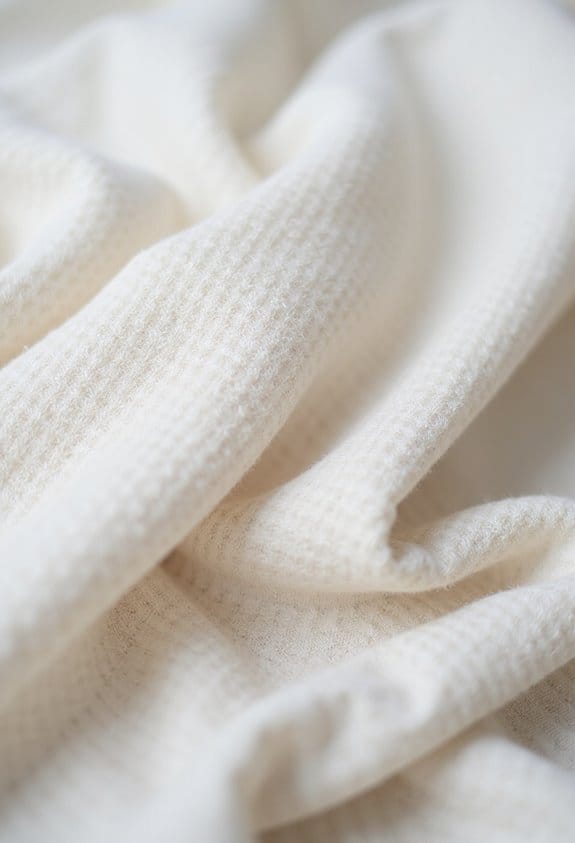
When it comes to getting a good night’s sleep, temperature can play the role of an unsung hero! Imagine snuggling into your cozy bed, and the delightful warmth kisses your skin just right. This middle-ground magic can boost your sleep quality drastically. Excessive heat, however, turns your sweet dreams into night sweats, leading to restless tossing and turning. Research shows that ideal temperatures promote deep, restorative sleep, while too much heat can make you feel like a hot potato! To improve your sleep hygiene, consider fabrics that aid in thermal sensitivity and keep you cool! Bamboo thermal underwear, with its moisture-wicking properties, can be an excellent choice for maintaining an optimal sleep temperature. So, why not invest in enchanting sleep solutions? Get ready for adorable, uninterrupted slumbers and wake up feeling like a superstar! Sweet dreams await!
Moisture Management and Sleep Comfort

Discovering the right sleepwear and bedding can feel like revealing a treasure chest for a dreamy night’s rest! Imagine cozying up in materials like flax-linen or wool that magically manage moisture while you snooze! These fabrics’ unique molecular structure and fiber characteristics work together to keep you dry and comfortable. For instance, flax-linen quickly absorbs liquid and spreads it out, while wool absorbs up to 35% of its weight, outpacing cotton by a mile! Not only do these superstar fabrics prevent clamminess, but they also support your body’s natural thermoregulation, helping you enjoy every delightful moment of sleep. Bamboo fabric pajamas offer similarly impressive moisture-wicking properties, ensuring you remain cool and comfy throughout the night. Say goodbye to sweaty nights and hello to cozy dreams with the perfect moisture-managing fabric! Your sleep deserves this adorable upgrade!
Recommended Products
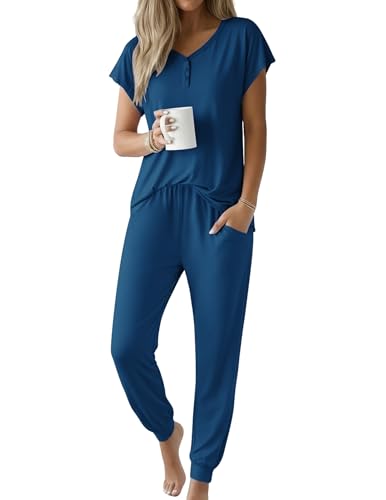
Material: Super cooling pajama set for women is made of 48%viscose derived from Bamboo, 47%Polyester, 5%Spandex. The fabric is lightweight and naturally moisture-wicking, which helps regulate body temperature and keep you dry throughout the night

【Ultimate Comfort】This Linen Pajama sets for men 2 pieces are made of 100% high-quality linen, which is lightweight, durable, soft and highly breathable, allowing you to feel the ultimate comfort whether you are resting or relaxing.
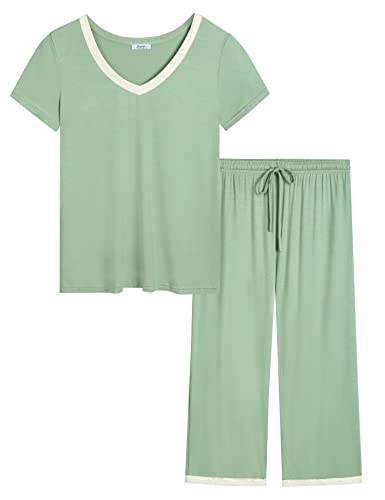
Moisture Wicking: With 95% viscose made from bamboo material, this pajama set is perfect for women suffering from night sweats and sleeplessness. Breathable fabric allows moisture wicking, promoting heat dissipation and allows air circulation
Natural vs. Synthetic Fabrics

The delightful world of sleep apparel and bedding opens up an exciting debate between natural and synthetic fabrics! Natural fibers, like cotton and wool, offer natural fiber advantages such as breathability and moisture absorption—perfect for cozy, restful nights! They help regulate temperature, keeping you cool and comfy, just like a warm hug! On the other hand, synthetic fibers have some drawbacks that might make you sweat—literally! They can trap heat and moisture, leading to uncomfortable nights. Choosing natural fabrics can help create a healthier sleep environment, free from irritating chemicals. Additionally, the use of bamboo fibers in sleepwear has been shown to wick moisture away, enhancing sleep quality. So, why not treat yourself to the magic of natural materials? Your sleep deserves it, and those adorable dreams await! Get ready for a sleep experience that feels wonderfully invigorating!
Recommended Products

【Premium Breathable Bamboo Viscose Fabric 】Crafted with 47% viscose from bamboo for ultra-softness, silky feeling, skin-friendly, 48% polyester for durability, and 5% spandex for stretch. Lightweight and breathable fabric(Moisture-Wicking) keeps you cool all night long

PREMIUM MOISTURE-WICKING AND COOL UNDERSHIRTS – Our 3-pack men's tee shirts are softer and stretchy than traditional t-shirts, and are highly breathable, suitable for all seasons— perfect as a base layer, for exercise, lounging at home, office wear, or casual outings.

PREMIUM MOISTURE-WICKING AND COOL UNDERSHIRTS – Our 3-pack men's tee shirts are softer and stretchy than traditional t-shirts, and are highly breathable, suitable for all seasons— perfect as a base layer, for exercise, lounging at home, office wear, or casual outings.
Innovative Textile Technologies for Better Sleep

Sleep enthusiasts, get ready for a game-changing upgrade in your bedtime routine! Innovative textile technologies are transforming how you snooze, ensuring you stay cool and comfy all night long! PCM Technologies absorb heat like a magic blanket, adjusting to your body temperature. With Cooling Gel-infused memory foam, your dreams won’t turn into a sweaty mess! You’ll adore fabulous Bio-Based Textiles that not only feel great but are eco-friendly too! And who could resist the wonders of Mineral Activated Fabrics? They handle temperature like a pro, keeping you cozy in every season! These delightful materials are the perfect recipe for sweet dreams and revitalizing mornings. Additionally, consider incorporating bamboo-derived viscose into your sleepwear for an extra layer of breathability and comfort. Snag some today, and experience the magic of better sleep! Your nights will thank you!
Recommended Products
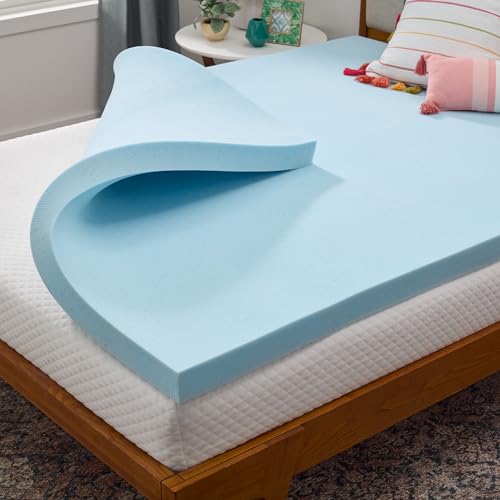
PRESSURE RELIEVING MEMORY FOAM: Plush gel infused memory foam conforms to your curves for personalized comfort that hugs you to sleep; use it to rejuvenate an old mattress, soften a too-hard mattress, or prolong the life of your mattress

GEL MEMORY FOAM MATERIAL: Our memory foam mattress topper readily conforms to the curves and shape of your body, distributes weight evenly to alleviate pressure points for better sleep.

2 In 1 ADJUSTABLE DUAL LAYER DESIGN: This plush dual layer mattress topper features a 2-inch cooling gel memory foam and a 2-inch quilted breathable pillow top mattress topper with snow down alternative overfilling. When combined, it can become a 4-inch thick mattress topper, which not only has strong support, but also provides a cloud-like comfortable experience
Creating the Ideal Sleep Environment
Creating an ideal sleep environment can feel like finding the missing piece of a cozy puzzle! Imagine drifting into dreamland with a perfect blend of cool temperatures and soothing darkness. For your best sleep, you’ll want a bedroom temperature between 60 to 67°F—just right for snuggling up! A comfy mattress that matches your sleeping position and preferred firmness can work magic on your rest quality, making you feel positively adorable in the morning! Don’t forget to banish annoying noise and keep pesky light at bay with blackout curtains or a trusty eye mask! With a touch of healthy air and just the right conditions, your bedroom can transform into a wonderful haven! Additionally, consider wearing pajamas made from breathable materials to further enhance your comfort throughout the night. Happy shopping for sweet dreams!
Frequently Asked Questions
How Does Fabric Choice Influence Sleep Position Comfort?
Fabric choice greatly influences sleep position comfort, with textures like soft cotton or smooth silk enhancing sleep support. Breathability and moisture management in fabrics further contribute to an ideal environment for restful sleep regardless of positional changes.
Are Certain Fabrics Better for Couples With Different Temperature Preferences?
Research shows bedding with 37.5 Technology can balance temperature by up to 12°C, making certain fabric blends ideal for couples. Using temperature-regulating materials guarantees both partners remain comfortable, catering to varied temperature preferences effectively.
Can Fabric Allergies Affect Sleep Quality?
Fabric sensitivities can profoundly affect sleep quality, as allergy symptoms, such as congestion and discomfort, disrupt restful slumber. Choosing appropriate fabrics can help alleviate these symptoms and promote a better night’s sleep.
How Often Should Sleepwear Be Changed for Optimal Comfort?
In the garden of slumber, maintaining sleep hygiene practices blooms with freshness. Changing seasonal sleepwear every 2 to 3 days nurtures comfort, while ignoring this can lead to a tangled mess of discomfort and sleepless nights.
Does Fabric Color Impact Sleep Temperature Perception?
Fabric color can influence sleep temperature perception through color psychology, where warm hues evoke feelings of warmth. However, thermal conductivity plays a more significant role in actual temperature regulation, overshadowing color’s psychological effects.