As an Amazon Associate, we earn from qualifying purchases. Some links on this site are affiliate links at no extra cost to you. Our recommendations are based on thorough research and editorial judgment.


Understanding Teenage Sleep Patterns and Comfort Needs

Teenage sleep patterns can be tricky, but understanding them is like finding the magic key to good health! With up to 60% of teens facing sleep issues, it’s essential to focus on comfort and a cozy setup. Adorable pajamas, calming routines, and a peaceful environment can turn bedtime into a dreamy experience! So, if you want to tap into the best sleep for your teen, keep exploring exciting tips and tricks that make all the difference!
Key Takeaways
- Adolescents typically sleep between 7-10 hours, with social obligations often causing late bedtimes and insufficient sleep during school nights.
- Factors like screen time, academic stress, and hormonal changes significantly disrupt sleep quality and patterns in teenagers.
- Insufficient sleep can lead to negative health outcomes, including mood disorders, obesity, and decreased academic performance among teens.
- Creating a comfortable sleep environment with calming activities, cozy bedding, and minimized distractions can enhance sleep quality for teenagers.
- Developing a consistent sleep routine and implementing digital curfews can help promote healthy sleep habits in adolescents.
Prevalence of Sleep Issues Among Adolescents
You may be interested


When it comes to the magic of sleep, it’s no secret that many adolescents face all sorts of challenges! Sleep disorders can really interfere with a teenager’s energy and mood. Did you know the adolescent prevalence of sleep issues ranges widely? In some studies, the numbers are as high as 60%! It gets even more interesting with substance use: around 29% of teens using substances report disturbances, with marijuana users leading the pack. Insomnia and excessive daytime sleepiness also join the party. With fun activities, social lives, and schoolwork, who wouldn’t want to wake up refreshed? Additionally, many adolescents may benefit from bamboo pajamas that offer moisture-wicking properties to enhance comfort during sleep. Improve your sleep game and tackle those sleep issues! After all, you deserve a delightful night’s sleep, don’t you? Sweet dreams await!
Typical Sleep Duration and Patterns in Teenagers

Adolescents experience a fascinating journey when it comes to sleep duration and patterns! As teens grow, they typically go to bed between 11:00 pm and midnight! However, some might stretch that bedtime even later, especially as they get older! Did you know that on school nights, average sleep duration trends drop to about 7.3 hours? That’s quite a snooze difference compared to the 9.2 hours on weekends! So, why the change? Social obligations, technology use, and early school start times often mix things up. Encouraging good habits, such as wearing matching pajamas can help improve relaxation and comfort, and watch your teen’s bedtime routine transform into a magical experience! A well-rested teen is an adorable, happy teen! Embrace those cozy, sleepy vibes!
Recommended Sleep Hours for Optimal Health

How important is sleep for your teen’s health? It’s vital! Leading health authorities, like the American Academy of Sleep Medicine, recommend 8 to 10 hours of sleep nightly for teens. Why? Because these sleep recommendations can access amazing health benefits! When your teenager gets enough sleep, they not only rock better grades, but they also boost their heart health, mood, and even energy levels! Insufficient sleep? No magic there; it can lead to issues like obesity and anxiety. So, let’s make sleep a priority! Turning off those gadgets and creating a cozy bedtime routine is a great start! Remember, a well-rested teen is a happy teen, ready to shine bright and achieve their dreams! Sweet dreams! Additionally, choosing comfortable fabrics for pajamas can enhance sleep quality and help your teen feel more relaxed.
Factors Contributing to Sleep Deprivation in Teens

While many think of sleep deprivation as a simple problem, it actually stems from a mix of magical forces that collide in a teenager’s world! Hormonal imbalances during puberty often delay bedtimes, while pesky screen exposure zaps sleep away. Academic stress, fueled by peer pressure, encourages late-night cramming, leading to yawns in the morning! Noise disturbances and safety concerns from unsafe neighborhoods add to this sleep-struggling saga. And let’s not forget about sleep disorders, which can turn even the coziest beds into restless lairs! So, what can you do? Consider creating a dreamy sleep environment by limiting screens, calming noise, and promoting relaxation! Breathable fabric from bamboo pajamas can also enhance nighttime comfort, helping to turn that sleep magic into reality! Sleep tight, and wake up ready to conquer your world!
Behavioral Influences on Adolescent Sleep Quality

Sleep is a wondrous adventure, and for teens, it can be quite the rollercoaster ride! They often find themselves battling electronic distractions like smartphones, keeping them up past their bedtime. Parental attitudes play a big role too; when family conflicts rise, sleep quality can plummet faster than a rollercoaster drop! However, there’s magic in behavioral interventions! These techniques can improve sleep patterns, making it easier for teens to dream sweetly. Remember, strong family support can create a cozy environment, while consistency can help teens snooze peacefully. In addition, incorporating soft, breathable materials into sleepwear can enhance comfort and promote better sleep quality. Let’s turn that sleepy frown upside down and embrace better sleep with adorable solutions! After all, who wouldn’t want to wake up refreshed and ready to tackle the day?
Recommended Products

SLEEP IN COMFORT: You’ll now happily sleep through the warmest of nights with this women pajama shorts set. It’s made of soft 100% cotton lightweight jersey fabric that is a treat for your skin, non-irritating, and breathable to keep you nice and cool all through the night.

Organic Cotton: The girls pajamas crafted from Organic Cotton, very soft, breathable and lightweight, really gentle to girl's skin.Yoofoss girls pajamas are designed with loose fitting style for safe wear, with CPSC-certified and Certified organic by the Global Organic Textile Standard (GOTS) for baby's safety and comfort.
Impact of Insufficient Sleep on Mental Health
Insufficient sleep can act like a sneaky monster, quietly creeping in to affect teenage mental health! Did you know that sleep deprivation can increase symptoms of depression and anxiety? Teens who get less than six hours of sleep often report feeling down or irritable. It’s like having a dark cloud following you around! A single sleepless night can make mood swings, anger, and sadness feel even worse. Plus, chronic sleep issues can lead to more serious problems over time, like self-harm. That’s why getting 8-10 hours of sleep is pure magic for feeling happy and balanced! Additionally, creating a comfortable sleep environment can significantly improve sleep quality and overall well-being. So, treat your sleep like a treasure—because a good night’s rest is essential for you! Sweet dreams await!
Physiological Changes Affecting Teen Sleep
The effects of insufficient sleep on mental health are just the tip of the iceberg when considering how teenagers experience sleep! During adolescence, there’s a natural shift in the circadian rhythm, pushing internal clocks about one to two hours later. This change makes teens feel more alert at night and sleepy later! Hormonal fluctuations also play a big role, impacting sleep quality and timing. As the brain matures, deep sleep stages decline, meaning those adorable dreams may not come as easily. With challenging school start times, teens often miss out on precious sleep, making them cranky “night owls!” So, let’s cheer them on to get the sleep they need – after all, who wouldn’t want to wake up refreshed and ready for magic moments? Additionally, ensuring a comfortable sleep environment with cozy sustainable pajamas can significantly enhance their overall sleep quality.
Environmental Factors That Influence Sleep Quality
Imagine a cozy bedroom that becomes a haven for rejuvenating sleep! The right sleep environment can work wonders for teens! Light exposure from electronic devices and pesky streetlights can play tricks on their sleep cycles. Noise pollution, like traffic or noisy roommates, disrupts peaceful slumber. Urban advantages offer better sound and light insulation, while rural influences can challenge environmental comfort with shared spaces. Investing in sleep technology can transform adolescent bedrooms into dreamy retreats! With the right mix of cozy blankets, good soundproofing, and blackout curtains, you can create magic. Additionally, incorporating materials like bamboo fabric can enhance comfort and promote a restful atmosphere. Remember, your teen deserves a restful night! After all, sleep isn’t just adorable; it’s essential for a bright, energetic tomorrow! So, let’s make that sleep environment shine!
Recommended Products

3 LAYERS - Package includes 2 panels total width 104 inch. 1 layer in front (grey), 1 layer in back(grey) & 1 detachable felt fabric lining in the middle. No Toxic & formaldehyde.

4 LAYERS - The package included 2 panels. Each panel is 52 inch width and total width of 104 inches. 1 detachable felt fabric with 1 melt-blown fabric overlay in the middle. Backside is white color. No toxicant or formaldehyde.
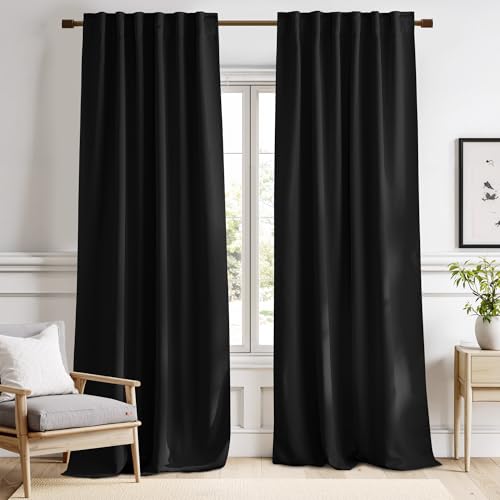
READY-MADE: Set includes 2 blackout curtain panels, each panel measuring 52" wide x 84" length with 7 back loops. Quality fabric without liner feels soft and heavy. Thread trimmed and wrinkle-free, both sides are the same color.
Strategies to Improve Teenage Sleep Hygiene
When teens embrace better sleep hygiene, they reveal a world of fabulous benefits! To start, sticking to a regular sleep-wake schedule works like magic for their body clocks. Families can make it even more fun by encouraging sleep hygiene tips. Next, setting digital curfews to limit screen time before bed helps banish those pesky blue lights that delay sleep. How about establishing a calming bedtime routine? Think warm baths or gentle yoga to wind down! Don’t forget about daytime activities—fun exercises boost energy and help teens sleep better at night. Finally, avoiding heavy meals and caffeine in the evening can make those adorable dreams come true! Who knew that better sleep could be so easy and delightful? Additionally, creating a cozy atmosphere with comfortable robes can enhance relaxation and promote better sleep habits.
Recommended Products

MATERIAL: 100% microfiber fleece robe made in Turkey. Soft, plush fabric for a cozy kids robe, toddler robe, or bathrobe for girls and boys. Made to meet applicable USA and European Union safety standards. Consider important safety factors when purchasing clothing online for children.

"PLUSH AND COZY: Keep them warm, and oh so comfy in these plush robes for girls. We�ve designed this extra-cozy hooded robe using 100% polyester fleece fabric that�s famed for its supreme softness. Your girl will be in cloud nine as she lounges away in toasty comfort."

Understanding the Role of Comfort in Adolescent Sleep
Understanding comfort’s impact on adolescent sleep can reveal a treasure trove of restful nights! Comfort factors like cozy bedding, the perfect mattress, and a peaceful room can greatly boost sleep quality. Unfortunately, electronic devices in the bedroom often cause sensory overload, disrupting those adorable dreams. As autonomy struggles lead to irregular sleep schedules, psychological stress can derail any chance for restorative sleep! A supportive environment, with positive family relationships, nurtures better sleep habits. Reducing light exposure from screens creates a magical darkness, encouraging your natural sleep rhythms! By considering sleeping arrangements and prioritizing comfort, you’re setting the stage for sweet dreams and bright mornings! Who knew that sleep could be such an adventure? Additionally, ensuring a non-slip design in sleep accessories can prevent unexpected falls during nighttime trips, enhancing safety and comfort. Snag those comfort essentials today!
Recommended Products

COMFORTABLE HYBRID SUPPORT - The NEO SLEEP 12 inch Twin Mattress ensures ultimate comfort and balanced support. Soft memory foam layers relieve pressure and reduce fatigue. Responsive pocket springs adapt to your body shape and help maintain natural spine alignment, ensuring the right amount of support to your shoulders and hips. Comfortable for back, stomach, and side sleepers.

MODERATE FLOW PERIOD UNDERWEAR: Absorbs the equivalent of three tampons, these women's period bikini underwear are ideal for light to moderate menstrual flow and spotting

MODERATE FLOW PERIOD UNDERWEAR: Absorbs the equivalent of three tampons, these women's period bikini underwear are ideal for light to moderate menstrual flow and spotting
Frequently Asked Questions
How Does Stress Influence Teenage Sleep Patterns?
Caught between a rock and a hard place, teens struggle with academic pressure, leading to elevated stress levels. This stress hinders sleep patterns, emphasizing the importance of effective stress management to improve overall sleep quality.
What Role Do Peer Influences Play in Teenagers’ Sleep Habits?
Peer influences greatly shape teenagers’ sleep habits, with peer pressure often leading to late nights fueled by social media engagement. This dynamic can contribute to disrupted sleep patterns and overall poor sleep quality among adolescents.
Are There Specific Foods That Promote Better Sleep in Adolescents?
Research indicates that adolescents who consume sleep-inducing foods, such as kiwis and fatty fish, experience improved sleep quality. Nutritional sleep aids, including berries and vegetables, greatly enhance sleep duration and overall well-being in teenagers.
How Can Parents Effectively Support Their Teens’ Sleep Needs?
Parents can effectively support their teens’ sleep needs by creating a conducive sleep environment and encouraging relaxation techniques. Establishing consistent routines and discussing healthy habits also enhances sleep quality and duration for adolescents.
What Are the Long-Term Consequences of Chronic Sleep Deprivation in Teens?
Chronic sleep deprivation, like a wilting flower deprived of sunlight, severely hampers academic performance and deteriorates mental health. This depletion fosters a cycle of disengagement, emotional turmoil, and declining capabilities that can last into adulthood.