As an Amazon Associate, we earn from qualifying purchases. Some links on this site are affiliate links at no extra cost to you. Our recommendations are based on thorough research and editorial judgment.


The Chemistry of Stain Removal on Various Materials

The chemistry of stain removal is just pure magic for your favorite fabrics! Different techniques tackle various stains like proteins, oil, and minerals. Enzymes work wonders by breaking down stubborn spots, while acidic solutions banish coffee and wine stains. Eco-friendly options like vinegar and baking soda are adorable alternatives too! Protect your beloved clothes with gentle solutions that keep them looking fresh! Curious about more handy tips and tricks? There’s even more to explore!
Key Takeaways
- Chemical reactions in detergents break down stains into soluble pieces, aiding in effective removal from various materials.
- Enzymatic stain removers target specific components, like proteins and starches, depending on the stain type.
- Acidic and alkaline cleaners utilize oxidation to convert stubborn mineral stains into water-soluble forms for easier cleaning.
- Photocatalytic technology, using TiO₂, breaks down organic stains into harmless substances under UV light, enhancing cleaning efficiency.
- Material selection, such as using breathable natural fabrics, helps prevent future staining and aids in easier stain removal.
Understanding Stain Types
You may be interested


When it comes to tackling stains, understanding types can feel like revealing a secret treasure! Discover the magic of stain identification techniques, as you learn about the differences between natural and synthetic stains. Natural stains, like Haematoxylin from *Haematoxylon campechianum*, bring vibrancy directly from nature. In contrast, synthetic dyes, such as Crystal violet, are crafted using fascinating chemical processes, ensuring durability! The thrill lies in understanding dye interaction dynamics—did you know acidic dyes love cytoplasmic components, while basic dyes prefer nucleic acids? Armed with this knowledge, you can select the right cleaning agents for your adorable stained treasures. Additionally, considering fabric quality and comfort can greatly impact stain removal effectiveness. So, why wait? Immerse yourself in the world of stains, and let your cleaning adventures begin!
Organic Stains and Their Removal
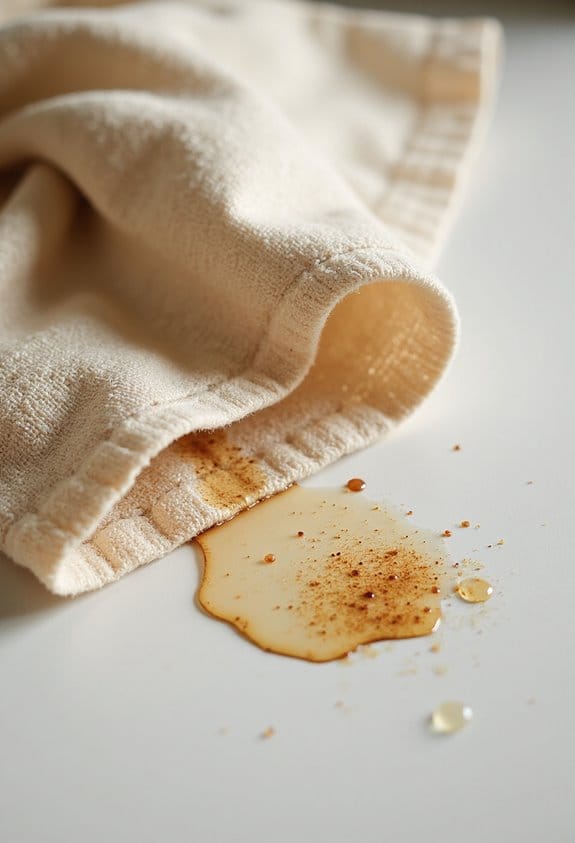
Tackling organic stains can feel like solving a mystery, as each spot tells a different story! Organic stains, like those from food and drinks, can be tricky, but don’t worry! The right stain classification helps you choose the best removal strategy. Enzymatic products are like stain detectives, targeting protein stains from blood or sweat, while acidic solutions work magic on tannins from coffee or wine! Eco-friendly options, such as vinegar and baking soda, are friendly for your fabrics and the planet! Remember, gentle treatment is key for delicate fabrics—your adorable silk deserves it! With the right tools, you’ll achieve great removal effectiveness and keep your textiles looking fabulous! Additionally, consider using durable materials when selecting fabrics to help prevent future stains from setting in. Get those stains on the run, and happy cleaning!
Inorganic Stains: Effective Solutions
Organic stains may have had their moment in the spotlight, but now it’s time to give inorganic stains their due! Inorganic stain identification is key when tackling any tough marks left by metals, minerals, or chemical residues. For those pesky iodine stains, magic happens when you use aqueous sulfites to convert them into colorless forms. And don’t forget about those rust stains—cheers for chelating agents! To prevent these stains from becoming a headache, proactive liquid management is essential. Think of poultices as adorable little helpers, drawing out grime from stone surfaces! With the right treatment, you’re just a few steps away from successful stain removal. Additionally, consider using matching styles for family pajama sets, as they can brighten up any cleaning day. So gear up and say goodbye to inorganic stains! Your surfaces will thank you!
Dealing With Dye Stains
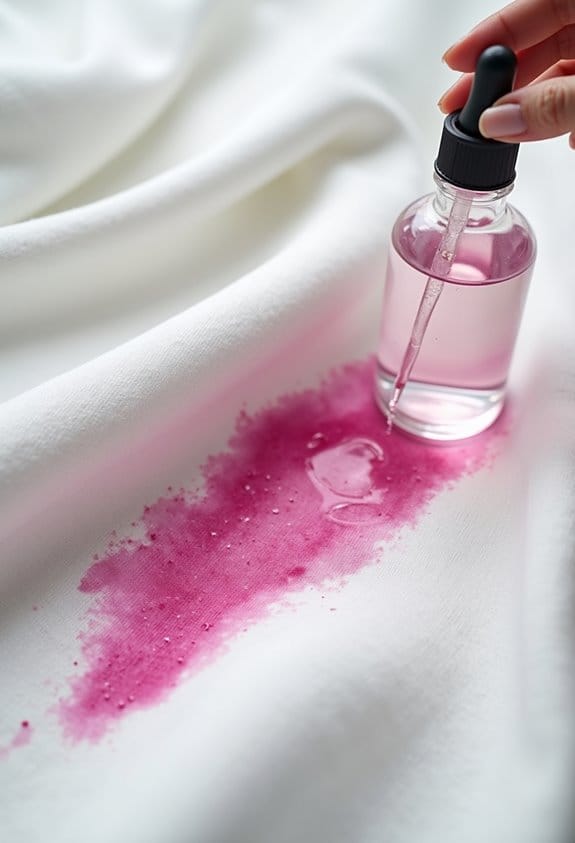
Dye stains can be quite the party crashers! They sneak in with colorful chaos, thanks to their tricky dye chemistry. These stains can cling tightly to fabrics and surfaces and might even ruin your adorable garments. Fear not, because in the world of stain removal, there’s magic to be found! For colorfast fabrics, techniques using alcohol, vinegar, or specialized products can work wonders. Soak your stained lovelies in a warm solution with dish detergent and ammonia–it’s almost like a spa day for your clothes! And if that stubborn stain won’t budge, a gentle bleach might just be the ticket! Embrace the challenge, and get ready to banish those dye stains with a wave of your cleaning wand! 🪄✨ Additionally, choosing pajamas made from soft, lightweight materials can help prevent unwanted stains from becoming permanent.
Strategies for Oil-Based Stain Removal
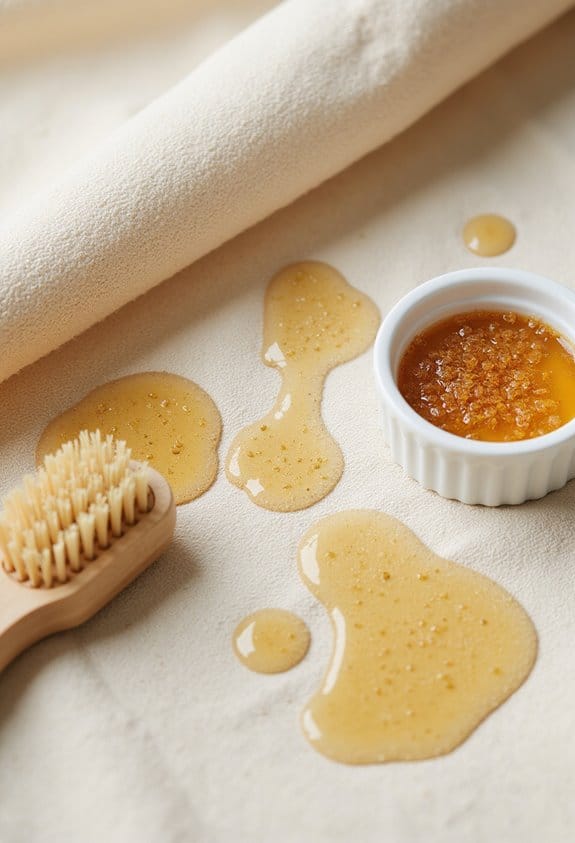
Oil stains can be a real pain, sneaking onto your favorite clothes and leaving a mark that seems impossible to remove! But worry not; there are fantastic strategies to rescue your beloved items! Start with absorption techniques by gently blotting excess oil with paper towels. Then, sprinkle magic powders like baking soda or cornstarch on the stain, letting them work their wonders! For tougher spots, consider using amazing chemical treatments like enzyme-based stain removers, which break down oils effectively. Delicate fabrics? No problem—just opt for specialized detergents! With these simple tips and tricks, your oil stains can vanish, leaving your clothes fresh and adorable! Additionally, ensure you follow care instructions to maintain fabric quality and appearance after stain removal. So go ahead, tackle those stubborn stains and return your wardrobe to its former glory!
Mineral Stains and Acidic Solutions
Mineral stains can be as stubborn as a raccoon in a trash can, but fear not—there are exciting ways to banish them from your life! You can tackle those pesky deposits of calcium and iron with the magic of acidic solutions! Citric acid is like a superhero, binding to those mineral properties, making stains disappear with ease! For tougher foes, consider robust options like sulfamic or hydrochloric acid! These powerful cleaners can work wonders on stubborn stains! To keep these stains from returning, regular cleaning and water-softening techniques are the adorable secrets of stain prevention! Additionally, using machine-washable designs can help maintain the quality of your surfaces by preventing the buildup of minerals. So, gear up, grab your cleaners, and watch your surfaces sparkle like new! You’ll be amazed by the transformation!
The Role of Surfactants in Cleaning
Surfactants are like the superheroes of the cleaning world, bringing impressive powers to your everyday cleaning products! These incredible substances boast unique surfactant properties, making them essential for tackling stubborn stains and messes. They lower surface tension, allowing water to work its magic and penetrate surfaces more easily! When surfactants encounter greasy stains, they deploy their cleaning mechanisms, forming adorable micelles that trap dirt and oil, whisking them away for good! Imagine saying goodbye to pesky food residues or laundry gremlins! Whether in your favorite detergent or dish soap, these magical helpers enhance cleaning efficiency and work alongside other agents for amazing results. Additionally, the non-slip features of certain cleaning tools can help prevent slips and falls while tackling messes. So, next time you clean, remember the surfactant superheroes that make it all possible!
Applications of Common Solvents
When it comes to tackling tough stains, solvents are your trusty sidekicks! They work magic on a variety of stains, from grease to adhesives, making them vanish like your favorite pair of socks in the dryer! Water-based solvents are safe for washable fabrics, while organic solvents help remove oil-based messes. Remember, solvent safety is key—always test on a hidden area first to avoid any fabric fumbles. Application methods like spot treatment and dry cleaning guarantee your clothes stay fabulous. Use these solvents wisely in well-ventilated areas, and don’t forget to have fun while tackling stains! With the right solvent, your cleaning routine can turn into an adorable adventure! Go ahead, bid farewell to those pesky stains! Additionally, selecting soft, breathable materials for your clothing can enhance overall comfort and longevity, helping to prevent future stains from stubbornly setting in.
The Power of Enzymatic Stain Removal
Stains may be pesky little monsters, but fear not! With the power of enzymes, stain breakdown can feel like magic! Enzymes are adorable little catalysts that target specific stain ingredients, like proteins, starches, and fats, thanks to their enzymatic specificity. Imagine proteins from blood or spilled egg being tackled by proteases, or that chocolate smudge disappearing with trusty amylases! These little heroes not only guarantee stains vanish but also kick out odor-causing culprits hiding in your fabric! By using enzyme-powered cleaners, you can treat your clothes gently while achieving stellar results. Natural fiber pajamas, known for their moisture-wicking properties, can also benefit from these gentle cleaning methods. Why scrub hard when you can let enzymes do the work? Make your cleaning routine a breeze with these powerful, eco-friendly solutions. Say goodbye to stubborn stains today!
Photocatalytic Approaches to Stain Elimination
Photocatalytic stain removal is like waving a magic wand over your toughest messes! Imagine using special materials like TiO₂ that, under light, create reactive oxygen species (ROS) to zap away stains. With incredible photocatalytic efficiency, these magical molecules break down stubborn organic stains into harmless water and carbon dioxide! Think of it as sending your stains to a spa day where they come out completely refreshed and decomposed! Plus, when surfaces become superhydrophilic under UV rays, dirt practically surrenders, making your life easier! If you’re tired of stubborn stains making your beautiful spaces less adorable, embrace this innovative technology! It’s an eco-friendly, fun solution that works like magic and leaves everything sparkling clean! Additionally, consider how bamboo fabric’s durability can enhance the longevity of your favorite garments, making stain removal even more effective in the long run! Don’t miss out on this cleaning revolution!
Chemical Reactions Involved in Stain Removal
Even though stains might feel like the ultimate nemesis in your laundry adventures, the magic of chemical reactions can come to the rescue! Enzymes in detergents work like adorable little superheroes, breaking down stains through chemical interactions. These enzymes transform protein, fat, and carbohydrate stains into smaller, soluble pieces, making them easier to wash away! On the other hand, acidic and alkaline cleaners use oxidation processes to dissolve stubborn mineral stains and grease. They convert them into water-soluble forms, helping you achieve that spotless finish! Plus, who doesn’t love the freshness of clean laundry? So, gear up with the right cleaning products and let chemistry do its job—it’s time to send those stains packing!
Frequently Asked Questions
What Materials Are Most Susceptible to Stains?
Cotton fabrics, upholstery materials, and leather goods are highly susceptible to stains, especially from food spills. In contrast, synthetic fibers and hard surfaces show greater resistance, reducing the likelihood of permanent staining from various substances.
How Can I Prevent Stains From Setting?
As vibrant red wine spills, immediate action becomes paramount. Preventive measures, like blotting gently and using stain-resistant fabrics, create barriers against staining, preserving the fabric’s integrity and ensuring longevity amidst everyday accidents.
Are There Natural Alternatives for Stain Removal?
Natural alternatives for stain removal include baking soda, vinegar solutions, and lemon juice, which effectively break down stains. Additionally, natural enzymes present in some of these solutions enhance cleaning properties without harsh chemicals, making them eco-friendly options.
Does Fabric Type Affect Stain Removal Methods?
Doesn’t the composition of fabric dictate the best approach for stain treatment? Indeed, different materials, like cotton versus silk, necessitate varied methods to guarantee effective removal while preserving their integrity and appearance.
How Do I Test a Cleaner for Fabric Safety?
To test a cleaner for fabric safety, conduct fabric swatch testing for color change and damage, while performing a cleaner ingredient analysis to identify potentially harmful residues, ensuring compliance with safety standards and effectiveness.


