As an Amazon Associate, we earn from qualifying purchases. Some links on this site are affiliate links at no extra cost to you. Our recommendations are based on thorough research and editorial judgment.


The Environmental Impact of Bamboo Textile Production

Bamboo textile production is a magical choice for eco-conscious shoppers! This adorable plant absorbs around 10,000 lbs of CO₂ per acre each year, helping to clean our air! With fast growth and natural pest resistance, bamboo requires less water than cotton. Plus, it’s versatile for soft, breathable pajamas you’ll love. But wait, there’s more! Discover how this renewable resource is shaping the sustainable market and what that means for you!
Key Takeaways
- Bamboo absorbs carbon dioxide efficiently, acting as a significant carbon sink and purifying the air while releasing fresh oxygen.
- Its rapid growth and natural pest resistance allow for sustainable cultivation with minimal chemical usage.
- Mechanical processing yields bamboo linen, which is more eco-friendly than chemically processed bamboo viscose.
- Closed-loop systems in bamboo textile production reduce water usage and chemical waste, promoting cleaner manufacturing practices.
- Bamboo textiles contribute to water conservation, using 30% less water than cotton, while also being biodegradable and renewable.
Carbon Sequestration and Air Quality Benefits
You may be interested



How can something as adorable as bamboo help fight climate change? This magical plant absorbs about 10,000 lbs of CO₂ per acre each year, making it an incredible carbon sink! With its speedy growth, bamboo reaches peak carbon absorption in under ten years, while also purifying the air! Not only does bamboo release fresh oxygen, but it also requires fewer fertilizers and pesticides, which keeps our air clean. Imagine turning degraded land into lush bamboo forests, all working to capture carbon and improve air quality! By choosing bamboo products, you’re not just shopping; you’re joining a movement to protect our planet! Additionally, bamboo is an environmentally friendly option that contributes to sustainability efforts. So, why not embrace this eco-friendly superstar? Your purchase can help make a greener world, one adorable bamboo item at a time!
Sustainable Sourcing and Cultivation Practices
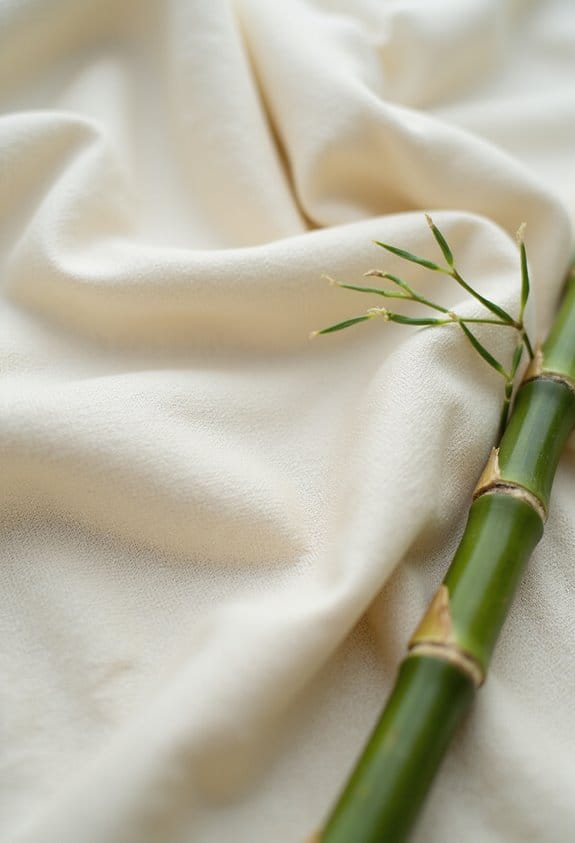
When considering sustainable sourcing and cultivation practices, bamboo stands out as an adorable champion of eco-friendliness! This magical plant grows super fast—up to three feet daily—allowing you to enjoy its benefits without waiting decades. And guess what? It doesn’t need pesky chemicals to thrive! Bamboo naturally resists pests, making it a safer choice for your skin and the planet. Plus, its incredible roots keep soil healthy and water-efficient, using 30% less water than cotton. Look for bamboo certification like FSC or OEKO-TEX to guarantee responsible sourcing. By choosing bamboo textiles, you support biodiversity preservation and say goodbye to deforestation! Furthermore, bamboo is a renewable resource that contributes to lower environmental impact compared to traditional textiles. So, let’s help the environment one fabulous bamboo garment at a time!
Textile Manufacturing Methods and Environmental Consequences
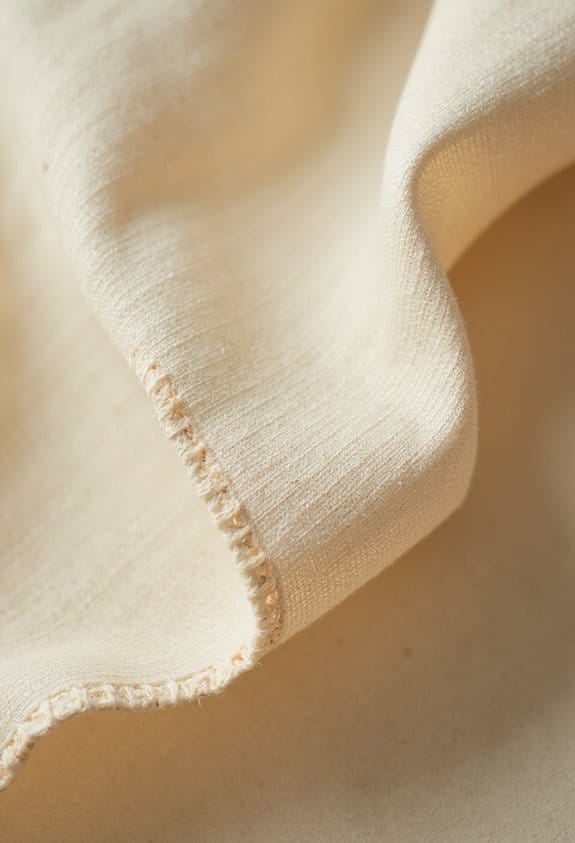
While exploring textile manufacturing methods, it’s essential to understand the joy and complexity behind bamboo textiles! Bamboo processing methods vary greatly, offering unique touches for eco-friendly fashion seekers. The mechanical processing of bamboo creates adorable bamboo linen. This method uses few chemicals and is more sustainable, though it’s labor-intensive and rare. On the flip side, chemical processing produces bamboo viscose, which involves hefty chemicals and can harm our planet—definitely not the kind of magic you want! Fear not! Emerging methods like the closed-loop system and Lyocell offer promising eco-friendly alternatives. Plus, as the industry evolves, embracing cleaner practices is a step toward a greener wardrobe. Additionally, bamboo’s hypoallergenic qualities make it an excellent choice for those with sensitive skin. So, next time you shop, consider bamboo for both style and sustainability!
Recommended Products

BUTTERY SOFT: Crafted from 93% bamboo viscose and 7% spandex, this baby girl romper and bodysuit set feels silky soft against delicate skin while providing breathable comfort and flexible stretch for everyday wear.

Dreamy Softness for Sensitive Skin: Meet our signature BambooCloud fabric—softer than cotton and lighter than a whisper. We designed this hypoallergenic blend to feel like a cool, gentle hug for babies with eczema or heat rash. It breathes naturally to keep your little one sweat-free and cozy, from their morning nap to a full night’s sleep.

BUTTERY SOFT: Crafted from 93% bamboo viscose and 7% spandex, this baby girl romper and bodysuit set feels silky soft against delicate skin while providing breathable comfort and flexible stretch for everyday wear.
Water Use, Pollution, and Mitigation Strategies

As you commence on your journey into the world of bamboo textiles, it’s thrilling to discover how they can make a positive impact on our planet! These adorable fabrics need less water during growth, which is magic! However, during processing, up to 1000 liters of water may be used, especially with toxic chemicals in play. But fear not! Brands are stepping up their game by embracing water conservation and chemical management strategies! Closed-loop systems and eco-friendly dyeing are the sparkling solutions reducing waste and pollution. By supporting such companies, you’re not just buying a product; you’re making a difference! Additionally, many bamboo pajamas are made from durable fabric that maintains shape and softness after washing, contributing to less environmental waste. Let’s wrap ourselves in bamboo beauty while being kind to our Earth! Ready for eco-friendly shopping? Let’s go!
Market Trends and Future Sustainability Outlook

Bamboo textiles are not only adorable but also a superstar in the world of sustainable fashion! With an impressive market growth projected, the bamboo fabric sector is set to soar from $1.358 billion in 2026 to a whopping $6.5 billion by 2035. This is magic for eco-conscious shoppers! As consumer awareness about sustainable, eco-friendly options rises, more people are turning towards bamboo. You can feel good about your choices when you support products made from this renewable resource! Plus, innovative bamboo blends are taking over home textiles and activewear, making them even more appealing. Notably, bamboo pajamas are known for their softness and breathability, enhancing overall sleep comfort. So, why not jump on the bamboo bandwagon and wear your sustainability with pride? The planet—and your wardrobe—will thank you!
Frequently Asked Questions
How Long Does Bamboo Fabric Last Compared to Standard Textiles?
Could bamboo fabric, renowned for its strength, truly outlast standard textiles? Its durability factors suggest a lifespan of 3–5 years, exceeding cotton’s longevity while outperforming linen and silk, especially when cared for properly.
What Certifications Indicate Sustainable Bamboo Textile Practices?
Certification types such as OEKO-TEX Standard 100, GOTS, and FSC indicate sustainable practices in bamboo textiles. These certifications guarantee safety, organic content, responsible sourcing, and adherence to environmental standards throughout the production process.
Are There Health Risks Associated With Bamboo Textile Production?
Health risks associated with bamboo textile production include serious health concerns for workers, such as chemical exposure, neuropsychiatric symptoms, and organ damage. Ensuring worker safety is crucial to address these significant health threats effectively.
How Does Bamboo Compare to Hemp in Sustainability?
Bamboo benefits bloom with rapid growth and soil regeneration, while hemp cultivation champions minimal water use and reduced chemical impact. Ultimately, hemp generally edges out bamboo in eco-friendliness due to its sustainable processing and durability.
Can Bamboo Textiles Be Recycled or Composted After Use?
Bamboo textiles can be recycled effectively, especially pure varieties, through mechanical and chemical processes. Composting bamboo is feasible for untreated fabrics; however, additives may hinder this, highlighting the importance of material purity for successful end-of-life management.


