As an Amazon Associate, we earn from qualifying purchases. Some links on this site are affiliate links at no extra cost to you. Our recommendations are based on thorough research and editorial judgment.


What Is Bamboo Fabric and How Is It Made?

Bamboo fabric is a delightful, eco-friendly textile made from bamboo fibers! Known for its magical softness and breathability, it keeps you cool in summer and cozy in winter. The fabric is made through sustainable processes, creating a luxurious feel perfect for pajamas and activewear. It’s also hypoallergenic, making it a wonderful choice for sensitive skin! Get ready to wrap yourself in comfort and style. Stick around to discover more about this fabulous fabric!
Key Takeaways
- Bamboo fabric is made from bamboo fibers, known for its soft and luxurious feel, ideal for apparel like pajamas and activewear.
- The production process involves two methods: mechanical processing for a linen-like texture and chemical processing for silky fibers using eco-friendly practices.
- Bamboo fabric absorbs moisture better than cotton, enhancing comfort with breathable and moisture-wicking properties.
- It is hypoallergenic, making it suitable for sensitive skin and offering antibacterial benefits to reduce odors.
- Bamboo fabric is environmentally friendly, as it is biodegradable, sourced sustainably, and requires less water and no harmful chemicals during production.
What Is Bamboo Fabric?
You may be interested


When you think about comfort and style in your wardrobe, bamboo fabric just might be the magical answer you’ve been searching for! Originating from the lush bamboo cultivation landscapes, this incredible textile is made from bamboo fibers and boasts a soft, luxurious feel—perfect for cozy clothing and bedding! With breathable and moisture-wicking properties, bamboo fabric keeps you cool in summer and warm in winter. Plus, it’s durable, so you can wear it again and again without worry! Best of all, bamboo is eco-friendly, allowing you to look fabulous while being kind to our planet! Pajamas made from bamboo and organic cotton offer ultra-soft textures that enhance your comfort experience—your wardrobe will thank you for the upgrade!
History of Bamboo Fabric

The journey of bamboo fabric is nothing short of magical! For over 7,000 years, this versatile plant has held a special place in human history. Ancient applications of bamboo included adorable mats, baskets, and even furniture—all showcasing incredible bamboo craftsmanship! Cultures around the world have used bamboo, from East Asia to coastal Ecuador, always finding fun, practical uses for it. Fast forward to the 19th century; innovative minds patented ways to create textile uses for bamboo. Although it was a slow start, modern techniques have transformed bamboo into a trendy fabric! Now, you can enjoy its softness, sustainability, and antibacterial benefits. Additionally, bamboo production has a lower water footprint compared to cotton, making it an eco-friendly choice. Why not embrace this enchanting fabric that has endured the test of time? Get yourself some bamboo goodness today!
Types of Bamboo Fabric

Bamboo fabric comes in an adorable variety of types, each offering its own unique charm! First up, we have bamboo viscose, known for its silky smoothness, perfect for cozy pajamas! Then there’s bamboo lyocell, an eco-friendlier option with a lovely soft feel and breathability—great for activewear! If you’re looking for something different, try fine bamboo or bamboo linen, which showcase that rustic vibe without chemicals. And don’t overlook bamboo blends, combining the magic of bamboo with other materials for fabulous stretchy styles! With various bamboo fabric certifications ensuring quality, you can trust in the versatility that bamboo fabrics provide! Additionally, bamboo fabric is hypoallergenic and suitable for individuals with sensitive skin, making it an excellent choice for comfortable clothing. So, explore these delightful options and find your new favorite undies or workout gear! Happy shopping!
Recommended Products

LUXURY-SOFT FABRIC: Made from Viscose from Bamboo, this pajama set offers unparalleled softness and a silky-smooth touch, providing a blissful night's sleep. The fabric's natural breathability and moisture-wicking properties ensure you stay cool and dry throughout the night, making it perfect for year-round wear.

Cooling for Hot Sleepers: Crafted from premium bamboo viscose to offer a natural cooling effect for hot sleepers; highly breathable fabric wicks away moisture faster than cotton to keep women experiencing night sweats or hot flashes dry and comfortable

Ultimate Comfort Design: These women's pajamas feature a relaxed, stretchy fit with ultra-soft fabric that feels silky smooth against your skin. The non-irritating material ensures maximum comfort, while excellent moisture-wicking properties make them perfect for those who experience night sweats
The Production Process of Bamboo Fabric

Ready to find out how that adorable bamboo fabric you love is made? The magic starts with sustainable sourcing, as bamboo is harvested from farms that thrive without pesticides and minimal water! Once cut, the stalks go through two main routes: mechanical processing or chemical processing. In mechanical processing, the fibers are gently crushed and spun into yarn, creating a linen-like texture perfect for unique textile applications. On the flip side, chemical processing uses closed loop systems to dissolve bamboo into silky fibers, reducing environmental concerns! Each method results in beautiful fabrics with fantastic fiber properties. So whether you’re snuggling in bamboo sheets or sporting a chic bamboo tee, you’re indulging in a trendy, eco-friendly choice! Additionally, bamboo fabric offers moisture-wicking properties that help keep you cool and dry while you sleep.
Viscose vs. Linen: Understanding the Differences

When it comes to choosing fabric, understanding the magic of viscose and linen can elevate your shopping experience! Viscose, typically derived from bamboo, offers that luxurious, soft feeling you’ll adore, kind of like being wrapped in a cashmere hug! Meanwhile, linen durability wins the day for those who want fabrics that can last decades! Though linen may feel a bit rough at first, it transforms beautifully with use—like fine wine getting better over time! Bamboo care is fairly simple, with low maintenance and machine washability, while linen may require a little extra attention to prevent wrinkles. Additionally, bamboo viscose is known for its moisture-wicking capabilities, making it an excellent choice for individuals prone to night sweats. So, whether you crave softness or want something super sturdy, both have their own charm! Happy fabric shopping!
Properties and Benefits of Bamboo Fabric
Imagine wrapping yourself in a fabric that feels like a gentle hug! Bamboo fabric boasts magical properties that make it a must-have for your wardrobe. Known for its incredible moisture management, it absorbs four times more moisture than cotton, keeping you fresh and comfy during any activity! Plus, its breathable structure means sweat evaporates quickly, making it perfect for active wear. With its delightful antimicrobial benefits, you can say goodbye to unpleasant odors and hello to nature’s antibacterial champions! Gentle on your skin, it’s hypoallergenic and soothing for those with sensitivities. Embrace the adorable comfort of bamboo fabric, and discover the joys of clothing that feels as good as it looks! Time to treat yourself!! Additionally, bamboo fabric’s moisture-wicking properties make it an excellent choice for those experiencing night sweats or heat discomfort.
Recommended Products

Ultra-Soft Comfort: Made with 80% bamboo viscose, these womens ankle socks feel naturally soft and smooth against the skin. The seamless toe helps reduce friction and irritation, providing a gentle, comfortable fit for everyday wear, walking, or light workouts

Breathable Bamboo Fabric: Made with Bamboo Viscose for a healthier choice—moisture-wicking, odor-resistant, and ultra-breathable. Perfect for summer and workouts, keeping your feet dry and fresh all day long.

Ultra-Soft Comfort: Made with 80% bamboo viscose, these womens ankle socks feel naturally soft and smooth against the skin. The seamless toe helps reduce friction and irritation, providing a gentle, comfortable fit for everyday wear, walking, or light workouts
Eco-Friendliness and Sustainability
Bamboo fabric not only feels heavenly against the skin, but it also works wonders for the planet! This eco-friendly textile is made from bamboo, which grows like a superhero—up to one meter a day—while requiring no pesky pesticides or fertilizers. Plus, bamboo cultivation is sustainable because its roots keep on giving, regenerating after harvest without needing replanting. When you choose bamboo fabric, you’re supporting the environment with a material that breathes life into our planet by releasing more oxygen and absorbing carbon dioxide. These adorable fabrics are even biodegradable, so they won’t clutter landfills! With bamboo, you can wrap yourself in softness while doing your part for sustainability—talk about magical multitasking! Additionally, bamboo’s moisture-wicking properties make it an ideal choice for keeping you cool and dry in any climate. So, why wait? Join the bamboo revolution today!
The Environmental Impact of Bamboo Fabric Production
The impact of bamboo fabric production on the environment is like a double-edged sword—there’s much to love about this soft, sustainable material, but not every step of its creation is as kind to Mother Earth as it could be! Bamboo grows quickly and requires minimal irrigation, which is great! However, the chemical processing used in creating bamboo viscose can pose ecological risks, as toxic substances harm our planet if not managed properly. Remember, while bamboo can be magical, some practices can lead to habitat loss if forests are cleared for monoculture. Choosing products from sustainably managed sources guarantees you’re supporting the adorable bamboo solution without the downsides! Additionally, many bamboo fabrics are sourced from organic processes that minimize environmental impact, further promoting sustainability. So, consider the journey of your fabric before making a delightful purchase!
Practical Applications of Bamboo Fabric
Sustainable fashion lovers, get ready to embrace the delightful world of bamboo fabric! This magical material boasts fantastic benefits, making it perfect for an array of clothing and textiles. Whether you’re snapping up adorable T-shirts, cozy pajamas, or breathable activewear, bamboo fabric guarantees comfort and style. Plus, its antibacterial and moisture-wicking properties mean you can stay fresh all day long! Bamboo’s gentle touch makes it brilliant for baby clothes and hypoallergenic bedding too. From super absorbent towels to chic curtains, bamboo fabric uses are endless! You might even consider its charm for work uniforms and eco-friendly gift wraps. In addition, the natural moisture-wicking properties of bamboo fabric help keep skin dry and comfortable, enhancing the overall wearability of your garments. Immerse yourself in the world of bamboo and enhance your wardrobe with this fabulous, planet-friendly fabric!
Recommended Products

【Breathable Material】Short sleeve nightgown is made of 48% Polyester, 47% viscose from bamboo, and 5% Spandex. Super soft and lightweight. This sleep shirt is skin-friendly, breathable, moisture wicking and comfortable, especially suitable for wearing in hot summer

Comfy Fabric: Soft, stretchy and cool lounge top
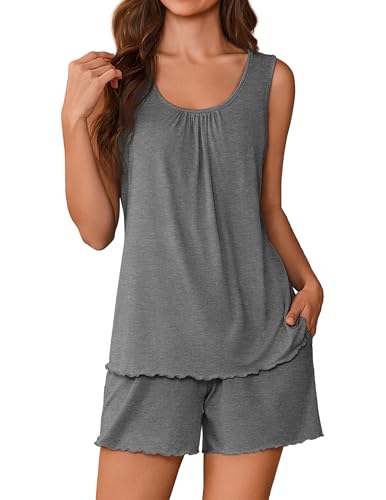
[Premium Material]: This pajama set is crafted from premium materials - 48%Polyester, 47%viscose from Bamboo, and 5%Spandex. The fabric is exceptionally soft, breathable, and comfortable, providing you with a buttery-soft wearing experience
Care Instructions for Bamboo Fabric
Caring for bamboo fabric can feel like a delightful adventure! With some simple bamboo maintenance, you can guarantee its fabric longevity and keep it looking fabulous! Always wash in cold to lukewarm water, using mild, eco-friendly detergents—because harsh chemicals are a no-go! For a cozy touch, try air drying your items, and hang them to prevent wrinkles. When tackling stains, use natural solutions like vinegar or baking soda—nature’s magic works wonders! Remember, turning garments inside out is like giving them a cozy hug during wash time! Additionally, choosing breathable materials can enhance temperature regulation during sleep. So, treat your bamboo treasures with care, and they’ll reward you with soft comfort for years! Happy washing, and may your bamboo items always be adorable!
Recommended Products

Protects Delicate Fabrics – Protects silk, wool, and other fine materials from damage while providing a thorough clean

Ideal for hand washing or machine wash

GENTLE CLEAN: Gentle laundry detergent liquid for machine or hand wash; delicate laundry detergent that cleans thoroughly and leaves no residue; helps maintain stretch and softness
The Future of Bamboo Fabric in Sustainable Fashion
As the world continues to embrace eco-friendly choices, bamboo fabric shines like a star in the sustainable fashion universe! Future trends indicate that this fantastic fabric is growing fast, with the bamboo apparel market projected to reach $4.8 billion by 2035! Imagine snuggling into ultra-soft clothing that feels like magic against your skin! It’s perfect for everyone, especially when considering consumer preferences for gentle, hypoallergenic options! Plus, bamboo production is kinder to the planet, using less water and no nasty chemicals! With bamboo fabric being 100% biodegradable, you’ll wear your values proudly! So why not jump on this stylish eco-train? Explore the vibrant colors and adorable designs that bamboo fabric can offer—you’ll be fashionable and sustainable!
Frequently Asked Questions
Can Bamboo Fabric Shrink After Washing?
Bamboo fabric can shrink after washing due to improper bamboo fabric care, particularly high heat exposure. Employing gentle washing techniques, like cold water and delicate cycles, considerably reduces the risk of shrinkage in bamboo textiles.
Is Bamboo Fabric Safe for Sensitive Skin?
Studies suggest bamboo fabric benefits those with sensitive skin, offering superior softness and moisture-wicking properties. Its hypoallergenic nature and inherent antibacterial characteristics make it a safe choice, provided proper processing and certifications are considered.
How Does Bamboo Fabric Compare to Cotton?
Bamboo fabric outperforms cotton in breathability, moisture management, and softness, offering numerous bamboo benefits. Its lower environmental impact and sustainable growth make it a favorable choice for eco-conscious consumers seeking durable, hypoallergenic materials.
What Certifications Should I Look for in Bamboo Fabric?
Like a shield of trust, reputable certifications such as OEKO-TEX Standard 100 and FSC guarantee bamboo sustainability and responsible bamboo production. These affirmations assure safety, transparency, and ethical sourcing, essential for consumers seeking integrity in bamboo products.
Are There Any Allergens Associated With Bamboo Fabric?
Bamboo fabric allergens are generally minimal; most individuals experience few reactions. However, chemical residues from production may cause sensitivities in some, making it important to choose certified options for reduced bamboo fabric reactions and skin irritation.


