As an Amazon Associate, we earn from qualifying purchases. Some links on this site are affiliate links at no extra cost to you. Our recommendations are based on thorough research and editorial judgment.

How Water Temperature Affects Different Fabric Types

Water temperature works magic for your fabrics! Cold water keeps cotton fabulous by reducing shrinkage, while warm washes help vibrant colors pop in wool. Synthetic fibers thrive with a little heat, but watch out for too much! Linen loves cool water to maintain its crispness. Remember, hot water can be tricky with colors and stains. So, you want your clothes to look adorable long-term? Stick around to discover more about the best laundry care tips!
Key Takeaways
- Cold water reduces shrinkage by up to 80% in cotton fabrics, promoting fabric longevity.
- Higher temperatures enhance dye uptake in wool, but excessive heat can degrade fibers.
- Synthetic fabrics perform well in warm washes; cold water prevents shrinkage and maintains shape.
- Linen fibers are best washed in cold to lukewarm water to maintain texture and prevent wrinkles.
- Hot water can help remove tough stains but may damage color retention in various fabrics.
Effects of Water Temperature on Cotton Fabrics
You may be interested


When considering the impact of water temperature on cotton fabrics, it’s like finding the perfect magical potion for your laundry! Oh, the joy of knowing that cold water can reduce shrinkage by up to 80%! That’s fantastic news for your adorable garments! To guarantee fabric longevity and keep your clothes looking their best, it’s wise to alternate between hot and cold washes. Hot water might give your cotton a deep clean, but it can also make your favorite items shrink! So, why not treat your clothes with the care they deserve? Remember, a gentle wash helps preserve those vibrant colors and prevents fabric wear. Additionally, using high-quality cotton pajamas can enhance durability and maintain softness over time. Choose wisely, and your cotton will not only be fresh but also fabulous for years to come!
Recommended Products

GENTLE DETERGENT FOR LUXURY FABRICS: This enzyme-free liquid laundry detergent is specially formulated to clean wool, cashmere, merino, mohair, and delicate knit blends without stripping softness or causing damage. Keeps natural fibers beautifully soft after wash and maintains integrity and shape of your luxury garments

The O3 PURE attaches to your existing washing machine. Don't settle for older technology. The O3 PURE Ozone Eco Laundry System is the newest generation Ozone Washing Unit and one of the Most Powerful Residential Ozone Washing Generators Available.

Unrivaled Cleaning Power: Offers a deep 6X cleaning power, ensuring your clothes receive the ultimate level of cleanliness and stain removal
Impact of Water Temperature on Wool and Protein Fibers
Whether you’re styling an adorable wool sweater or a cozy protein fiber scarf, understanding how water temperature affects these materials is truly magical! Wool and other protein fibers react dramatically to water warmth. Higher temperatures boost dye uptake, meaning those vibrant colors will pop much faster! Imagine completing a dye job in 30 minutes instead of waiting a long 120 hours. But, beware! Too much heat can lead to thermal degradation, weakening your precious fibers. Keep your laundry at a cozy temperature to maintain your favorite pieces’ strength and beauty. Remember, a perfect wash can keep your wool feeling snuggly and looking brand new! Additionally, consider using machine-washable designs for easy care and convenience. So, gear up for your next laundry day—it’ll be a fun, colorful adventure!
Recommended Products
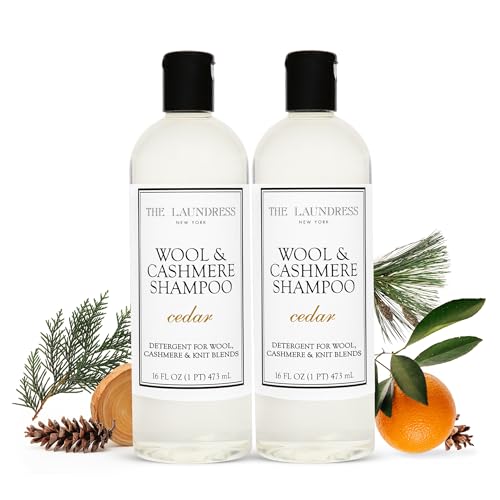
GENTLE DETERGENT FOR LUXURY FABRICS: This enzyme-free liquid laundry detergent is formulated to clean wool, cashmere, merino, mohair, and delicate knit blends without stripping softness or causing damage. Maintains integrity and shape of luxury garments

BATHROOM RUG RUNNER - Use this oversized bathmat to add a touch of spa-like luxury to your home. The 24-inch-wide by 60-inch-long size of this bath rug is ideal for bathrooms with double vanities, claw foot tubs, or large walk-in showers.

Damage Defense Protects Fibers from Wearing Out – Helps prevent stretching, shrinking, and losing shape
Influence of Water Temperature on Synthetic Fabrics
Explore the enchanting world of synthetic fabrics and discover how water temperature plays a key role in their care! With heat resistance that stands out, synthetic fibers like polyester and nylon thrive in warm washes, keeping their adorable shapes. To guarantee shrinkage prevention, wash your synthetics in cold water for the best results, but don’t worry! If you need that hot water magic for dirt removal, your synthetics can handle it, too! Just remember, repeated exposure to high temperatures can lead to minor stretching or distortion. So, treat your favorite garments gently, and they’ll be your loyal companions for years! Choose wisely, and your wardrobe will thank you with vibrant colors and perfect fits! Families often prefer soft fabrics for their comfort, which can also influence washing choices. Who knew fabric care could be this fun?
Recommended Products

Our Blue Violet fragrance opens with a sparkling burst of crisp apples, lush melon, and zesty mandarin, instantly invigorating the senses. Delicate violet petals dance with...
Water Temperature Effects on Linen and Other Cellulosics
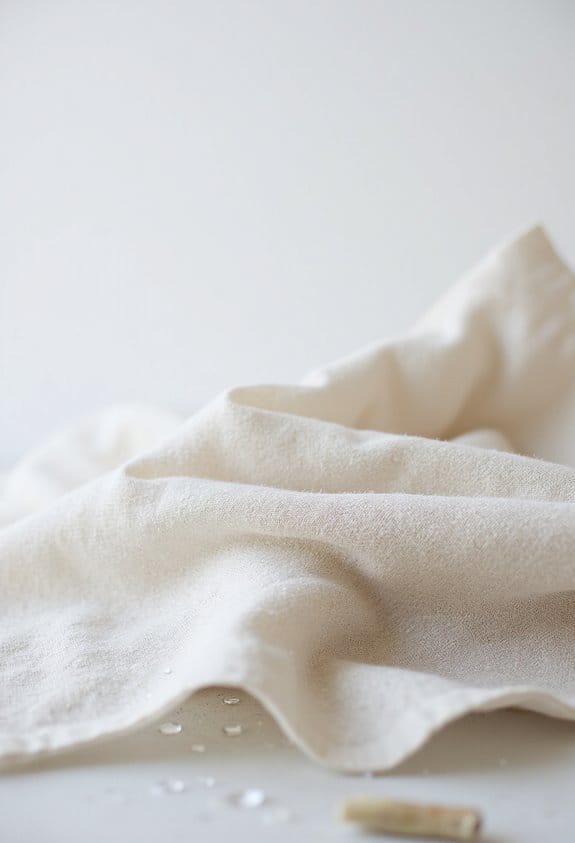
Synthetic fabrics may be easy to care for, but linen and other cellulosics bring their own delicate allure to the laundry game! When it comes to linen care, remember that heat sensitivity can affect those adorable fibers. Using cold to lukewarm water acts like magic, gently preserving fiber lengths and ensuring longevity! Washing techniques that embrace cooler temperatures help maintain that crisp texture you love, avoiding dreaded shrinkage. Hot water enthusiasts, beware! While it can soften linen over time, too much heat may lead to wrinkles and weakened fibers. So, embrace the charm of linen with thoughtful washing—your wardrobe will thank you! Immerse yourself in this culinary cotton candy of fabric care, and keep those linen treasures looking fabulous! Additionally, consider incorporating personalized gifts into your laundry routine, as they can enhance the overall care experience by adding sentimental value to your cherished items.
Recommended Products

WASH UP TO 11 LBS.—Wash up to 11 lbs. of laundry at a time with this superior BLACK+DECKER best portable washer. Our portable clothes washer (21.3” x 21.7” x 36.6”) has 6 cycle selections—Normal, Heavy, Delicate, Quick, Bulky, and Spin Only. Even suitable for baby clothes, diapers, and lingerie..ENERGY-EFFICIENT OPERATION: Built-in lint-filter that does not need to be replaced, just clean it about once a month designed for high-efficiency detergents and cold water use only..Operation mode : Automatic.

FIRST OF ITS KIND: Tru Earth's ultra-concentrated fabric softener, made in Canada, is the industry's first laundry softener sheet designed for your washing machine, not your dryer. This liquid alternative can be used with any standard or HE washing machines in both hot and cold water settings.
FIRST OF ITS KIND: Tru Earth's ultra-concentrated fabric softener, Made in Canada, is the industry's first laundry softener sheet designed for your washing machine, not your dryer. This liquid alternative can be used with any standard or HE washing machines in both hot and cold water settings.
Role of Water Temperature in Colorfastness and Stain Removal
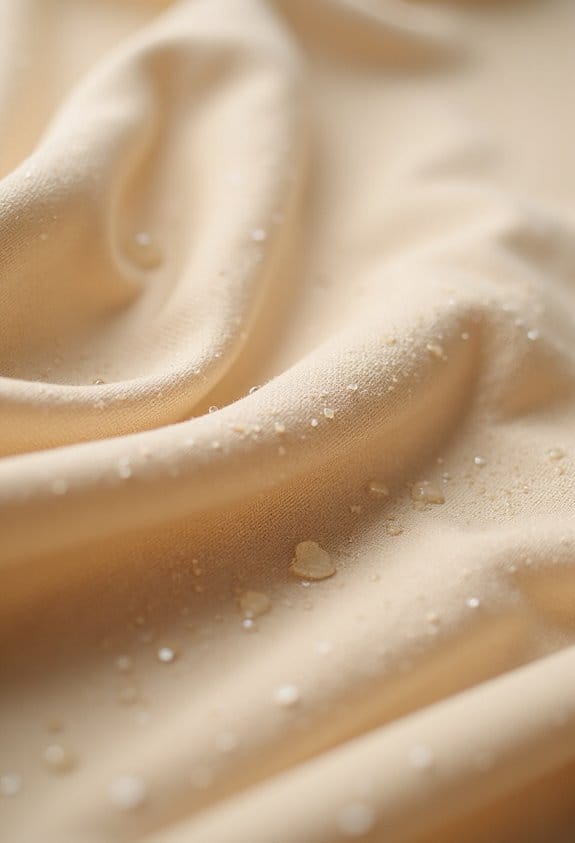
Choosing the right water temperature can be a game-changer for your laundry routine! Higher temperatures may seem tempting for tackling stains, but they can wreak havoc on color retention in your favorite fabrics. Imagine that adorable shirt losing its vibrant hue! Lower temperatures work wonders, preserving fabric appearance while minimizing stubborn stain persistence. You’ll easily maintain those bright colors and avoid the dreaded fade! Hot water might help with tough stains, but it can also cause damage over time, leading to color shifts you won’t love. So, think smart and opt for cool or warm washes to keep your wardrobe looking fabulous. Additionally, following the proper care guidelines can help maintain fabric quality and prevent pilling. Take your laundry to the next level and enjoy vibrant colors without compromising quality!
Recommended Products

LAUNDRY DETERGENT ADDITIVE: Add Lysol Laundry Sanitizer to every wash, in the fabric softener drawer, to sanitize and deodorize smelly laundry. Lysol Laundry Sanitizer kills many bad odors that detergents leave behind.

Keeps Dark Clothes Dark – Protects against fading so your favorite darks look new longer
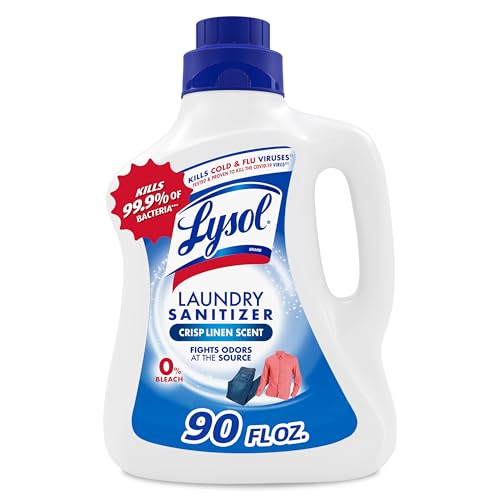
LAUNDRY DETERGENT ADDITIVE: Add Lysol Laundry Sanitizer to every wash, in the fabric softener drawer, to sanitize and deodorize smelly laundry. Lysol Laundry Sanitizer kills many bad odors that detergents leave behind.
Thermophysiological Effects and Performance of Fabrics at Varying Temperatures
Finding the perfect fabric isn’t just about style; it’s about how it feels against your skin! When choosing clothing, consider the magic of vapor permeability! Fabrics with high permeability help keep you cool by allowing sweat to escape, making your activities enjoyable and comfortable. Picture yourself in breathable Tencel that feels light and airy, perfect for hot days! No more sweaty cling or discomfort—just delightful thermal comfort! Fabrics that trap moisture can turn your microclimate into a sauna, not so adorable, right? Investing in effective, moisture-wicking materials makes all the difference. Additionally, choosing fabrics like bamboo can enhance comfort for sensitive skin due to its hypoallergenic nature and breathability. So, choose wisely, embrace the fun of comfy styles, and let your skin thank you for those delightful, airy moments! Shop smart for happy adventures!
Frequently Asked Questions
How Does Water Temperature Affect Fabric Drying Times?
Like sunlight melting frost, higher water temperatures enhance drying efficiency, particularly for synthetic fabrics, while natural fibers show greater heat sensitivity, risking shrinkage. Consequently, water temperature greatly influences overall fabric drying times in various contexts.
Can Water Temperature Impact Fabric Pilling?
Water temperature greatly influences fabric pilling, affecting fabric longevity. Washing in colder temperatures enhances pilling prevention by minimizing fiber damage and wear, ultimately extending the lifespan of garments while preserving their appearance and integrity.
What Temperature Is Best for Washing Mixed Fabric Blends?
Like a delicate dance, the ideal wash settings for mixed fabric blends hover around cool to warm temperatures. Fabric care remains paramount, ensuring longevity while minimizing risks of shrinkage, color loss, and damage to fragile fibers.
How Does Water Temperature Influence Fabric Odor Removal?
Water temperature markedly influences fabric odor removal by targeting odor bacteria. Higher temperatures improve microbial elimination and grease breakdown, while temperature sensitivity varies among fabrics, affecting overall odor retention and effectiveness of cleaning agents.
Do Different Temperatures Affect Fabric Softener Efficacy?
Different temperatures can influence fabric softener efficacy during the washing cycle, with various fabric softener types exhibiting different behaviors. Generally, water temperature affects softener distribution and stability, impacting overall softness and effectiveness.


