As an Amazon Associate, we earn from qualifying purchases. Some links on this site are affiliate links at no extra cost to you. Our recommendations are based on thorough research and editorial judgment.


How Bamboo Fabric Is Processed From Plant to Thread

Bamboo fabric transforms from plant to thread in an adorable journey! First, sustainable harvesting collects bamboo, a magical plant that grows quickly and needs minimal water. Then, fibers are extracted using eco-friendly methods. Mechanical processes keep things green, while the Viscose method adds a bit of chemistry magic! After that, skilled artisans spin and weave the fibers into soft threads. With its breathable quality, bamboo fabric is your stylish, eco-friendly choice! Want to uncover more delightful secrets?
Key Takeaways
- Bamboo is harvested post-rainy season using smart cutting techniques like the Horseshoe method to promote healthy growth and sustainability.
- The bamboo can be processed mechanically, using eco-friendly methods with steaming and rolling, or chemically, using processes like Viscose and Lyocell.
- Mechanical extraction yields strong, durable fibers without harsh chemicals, while the Lyocell method reclaims over 99% of solvents in a closed-loop system.
- Chemical methods involve soaking crushed bamboo in sodium hydroxide for cellulose extraction, followed by spinning and finishing in a sulfuric acid bath.
- The final bamboo fabric is assessed for quality through metrics like thread count and safety certifications, ensuring it is comfortable and eco-friendly.
Sourcing Bamboo: The Harvesting Process
You may be interested


When it comes to sourcing bamboo, the harvesting process is truly magical! Bamboo harvesting relies on careful seasonal considerations, guaranteeing the best quality for your bamboo products. By cutting at just the right time—like after the rainy season—harvesters minimize moisture and starch levels, making bamboo stronger and less vulnerable to pests. Smart cutting techniques, such as the Horseshoe method and using the Tunnel system, promote healthy clump management while removing weaker joins. These sustainable practices not only respect the forest but also guarantee a continuous supply of adorable, eco-friendly materials for your favorite items! It’s a win-win for you and the environment, so embrace the magic of bamboo harvesting today! Your sustainable shopping choices can truly make a difference! Additionally, bamboo is a renewable resource that supports eco-friendly production methods, making it a great choice for environmentally conscious consumers.
The Benefits of Bamboo as a Renewable Resource

Discovering the benefits of bamboo as a renewable resource feels like uncovering a hidden treasure! Bamboo is a superstar plant, growing fast and thriving in various conditions, making it an adorable choice for eco-conscience shoppers. With a 3 to 5-year growth cycle, it offers many bamboo benefits without depleting our forests. Plus, it requires less water than cotton—talk about a magical upgrade! This remarkable plant also absorbs loads of CO2, improving air quality while supporting biodiversity. Best of all, bamboo is 100% biodegradable, meaning it’s like nature’s own recycling champion! By choosing bamboo products, you join the movement for sustainability and help keep the planet clean—now that’s pun-derful! Support this renewable resource today for a greener tomorrow! Additionally, bamboo fabrics possess moisture-wicking properties, making them perfect for maintaining comfort in various climates.
Recommended Products
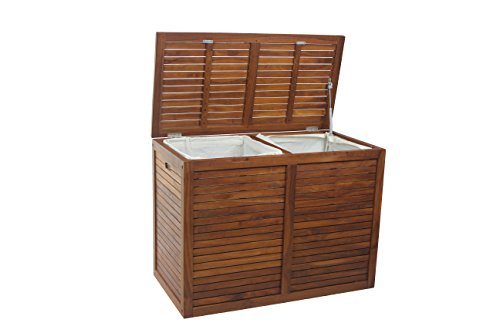
Sustainably Harvested 100% Solid Teak Wood Hamper

Sustainably Harvested 100% Solid Teak Wood

Multi-Purpose Use: This laundry basket for clothes is perfect for everyday storage as a basket for clothes or a basket for clothes storage.
Mechanical Fiber Extraction: An Eco-Friendly Approach

Bamboo’s journey from renewable resource to fashionable fabric continues with the charming process of mechanical fiber extraction! This eco-friendly technique separates bamboo fibers using no harsh chemicals, which is truly magical! By utilizing methods like steaming, rolling, and crushing, manufacturers can create long, strong fibers that boast incredible durability! Imagine wearing clothing that not only feels great but is also kind to the planet! With its natural ability to retain fibers’ strength, this process brings you garments that are tough and environmentally friendly! Plus, mechanical advantages mean fewer toxins in the Earth—how adorable is that? So, when you shop for bamboo fabrics, you’re making a positive choice for you and Mother Earth! Additionally, the natural moisture-wicking properties of bamboo fabric make it ideal for those experiencing night sweats. Go ahead, wear that eco-chic look with pride!
Recommended Products

🧵 Supreme Comfort – Made from Eversoft Bamboo fabric, offering an ultra-soft, luxurious feel against the skin.

Set of 8 Bamboo Drawer Dividers (Comes with 80 Labels): Upgrade your organization game with our expandable drawer organizer kit, including 8 adjustable, extra-deep drawer dividers for dresser drawers. Each set includes 80 removable labels to help you categorize and find items effortlessly, and easily relabel whenever your organization needs change. Say goodbye to cluttered drawers and hello to a streamlined, organized space.

Drawer dividers are the perfect solution to organize open drawers to keep things from shifting.
Understanding Chemical Processing: The Viscose Method

In the world of fabric production, the viscose method shines brightly, creating fabulous textiles from bamboo! This magical process involves crushing bamboo and soaking it in sodium hydroxide to extract the soft cellulose. It’s like giving bamboo a silky makeover! After some chemical transformations, it’s pushed through spinnerets, resembling a showerhead, to form delightful filaments. These filaments take a dip in a sulfuric acid bath, turning them into strong fibers ready for your next adorable outfit!
However, along with this magic comes responsibility. Chemical safety is paramount, as the intense process creates hazardous waste. Proper waste management guarantees that we can enjoy these soft fabrics while protecting our precious planet! Additionally, the resulting bamboo fabric boasts moisture-wicking properties that help keep you comfortable during sleep. Shop smart and embrace the charm of bamboo fabric!
Exploring Alternative Chemical Methods: Lyocell

An exciting alternative to traditional bamboo fabrics, lyocell offers eco-friendly magic that will leave you amazed! This innovative process uses a non-toxic solvent, reducing harmful chemicals that other methods might employ. With its closed-loop system, lyocell boasts impressive recycling stats, reclaiming over 99% of solvents and water! Imagine soft, smooth, and biodegradable fabric crafted from bamboo that cares for the environment! Lyocell advantages are striking, making it perfect for conscious consumers like you. Plus, say goodbye to pesky chemicals lingering in your threads! Time to embrace this adorable, sustainable choice! You’ll be left wondering why you didn’t switch sooner! It’s a fabric revolution you won’t want to miss! Additionally, bamboo fabric’s moisture-wicking properties enhance comfort, making it a great choice for hot sleepers.
Recommended Products

Made from 100% CleanBamboo Lyocell — organic non-toxic solvents used for material processing. No caustic soda, toxic dyes, formaldehyde or other harsh chemical used.
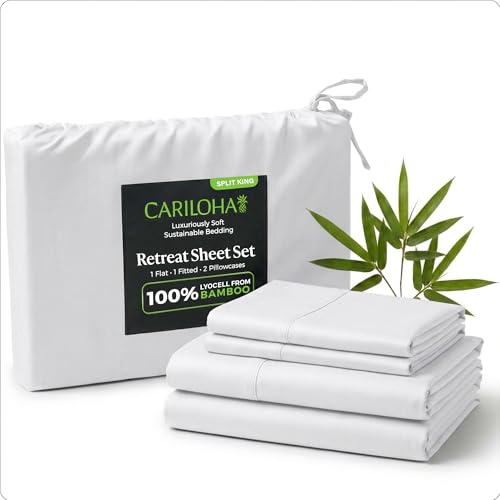
Luxuriously Soft Fabric: Cariloha Retreat Sheets are crafted from lyocell material with a premium sateen weave, offering an ultra-soft, silky feel. These sheets provide a luxurious sleep experience, combining comfort and elegance.

【Selected high-quality materials】 Viscose from bamboo & organic tencel sheet set. Softer than silk, more breathable than cotton, gentler than bamboo fiber.Exceeding the comfort of ordinary cotton and bamboo fibers while avoiding the disadvantages of easy snagging and difficult maintenance of real silk
The Transition From Fiber to Fabric
Transforming bamboo into luxurious fabric is like witnessing nature’s magic unfold before your eyes! The journey from bamboo fiber to stunning fabric begins with careful fiber treatments, ensuring only the best strands are used. After extracting these fibers, they are spun into enchanting yarn, ready to be woven or knitted into fabulous textiles! You’re in for a treat with incredible fabric applications—think soft, breathable clothing and adorable household textiles that breathe style into your home! Whether you prefer the linen-like durability or the silky touch of chemically treated fabrics, each choice promises comfort and elegance! Bamboo fabric’s natural properties offer breathability and softness, making it an eco-friendly choice that you can feel good about. So, why not wrap yourself in nature’s wonder? You deserve to feel fabulous in sustainably crafted bamboo fabric!
Spinning and Weaving Techniques
Spinning and weaving bamboo fibers can be a thrilling adventure for any crafting enthusiast! Bamboo handling techniques guarantee that these adorable fibers are tamed just right. From the slippery texture, techniques like “spinning from the fold” make drafting a breeze! The magic lies in balancing twist, creating soft or sturdy yarn, depending on your project. With tools like drop spindles and spinning wheels at your disposal, you’ll feel like a true textile wizard! Just remember, yarn quality control is key—smooth, even threads lead to fabulous fabrics! So, whether you’re crafting cozy garments or intricate lace, the journey from bamboo to beautiful fabric is waiting for you. Additionally, the moisture-wicking properties of bamboo fabric help ensure that your finished projects remain comfortable and breathable. Immerse yourself and explore the world of bamboo spinning and weaving today!
Blending Bamboo With Other Fabrics
Blending bamboo with other fabrics opens up a world of exciting possibilities for your textile creations! With fantastic blending techniques, you can combine this magical fabric with cotton or silk, achieving the best of both worlds. Imagine the softness of cotton mixed with bamboo’s natural antimicrobial properties, or the sheen of silk paired with bamboo’s moisture-wicking magic! Fiber compatibility is essential, so treating each fiber correctly guarantees a smooth blending process. Plus, you can play with blending ratios to create adorable fabrics that fit every need. Whether it’s for luxurious apparel or cozy towels, blended bamboo fabrics promise a delightful experience. Get ready to explore and enjoy the charm of bamboo blends in your wardrobe! Additionally, the durability of bamboo material helps maintain fabric quality through multiple washes, ensuring your blended fabrics last.
Recommended Products


ADVANCED SHIELDING TECHNOLOGY: Featuring multi-layer shielding to help reduce exposure to wireless signals from phones and WiFi routers, our cozy blanket acts like a floating ground, directing electromagnetic energy away from covered areas for daily use

Quality: Made with 100% organic material, this topper is durable and strong all while helping to support a sustainable planet!
Environmental Impact and Sustainability Considerations
Bamboo fabric is not only a stylish choice but also an environmentally friendly one that can make you feel good about your purchases! It grows rapidly, requires less water, and even absorbs more CO₂ than trees—talk about magic! While bamboo’s sustainable practices shine, caution is needed during processing. Chemicals can rear their ugly heads, causing concern for workers and the environment. So, let’s champion eco-friendly options that follow environmental regulations! By choosing mechanically processed bamboo, you can support less waste and better practices, keeping our Earth adorable and thriving! Additionally, bamboo viscose production uses non-toxic dyes that contribute to environmentally-friendly practices. When you wear bamboo, you’re joining a movement for a cleaner future—one comfy outfit at a time! Who knew eco-fashion could feel so great?
Quality Assessment and Consumer Labels
When seeking out fabulous fabric options, quality assessment and consumer labels play an essential role in making the best choices! Bamboo fabric, with its adorable softness and durability, deserves your attention. Pay close attention to quality metrics like thread count, which ought to range between 150 and 400 for that cozy feel! Also, check for safety certifications to keep your skin safe, because no one wants a fabric faux pas! Keep your eyes peeled for truthful labels—the magic of bamboo should be genuine, not just “rayon in disguise!” By embracing consumer awareness, you guarantee that you select only high-quality, eco-friendly options. Additionally, ensure that the bamboo fabric is moisture-wicking to enhance your comfort throughout the day. So, get shopping, and let that bamboo wonder elevate your wardrobe with style and comfort!
Recommended Products

Durable Handwoven Cane Back: Crafted from real bamboo, these walnut cane dining chairs offer breathable, textured seating that outlasts plastic alternatives. Its natural weave develops a rich patina over time, adding organic warmth to dining rooms or breakfast nooks

OUR FINEST BAMBOO LYOCELL SATEEN: Crafted with a premium sateen weave, these california king sheets offer a fluid drape and luminous finish. Designed for those who expect more from their luxury bedding, this california king sheet set brings unmatched softness and sophistication

FIVE-STAR COMFORT — AT HOME: Bring elevated resort style home with CARILOHA Resort bamboo split king sheets set. Crafted from 100% organic bamboo viscose with a luxurious sateen weave, these split king sheets deliver a softer, smoother feel designed for indulgent, hotel-quality comfort
Frequently Asked Questions
How Does Bamboo Fabric Compare to Cotton and Synthetic Materials?
In the fabric world, bamboo outshines cotton and synthetics with its sustainability and superior textile performance. Offering breathability, moisture management, and softness, bamboo enhances comfort for sensitive skin while proving durable and environmentally friendly in cultivation.
What Are the Common Uses of Bamboo Fabric in Everyday Products?
Bamboo fabric benefits include softness, breathability, and moisture-wicking properties, making it ideal for activewear, sleepwear, and home textiles. This versatility supports sustainable fashion, enhancing everyday products while promoting eco-friendly choices for consumers.
Can Bamboo Fabric Shrink After Washing?
Like an uncoiled spring, bamboo fabric indeed shrinks after washing. Employing prewashing techniques and diligent fabric care can mitigate this, ensuring longevity while preserving the fibers’ integrity amidst potential shrinkage from improper handling.
How Is the Softness of Bamboo Fabric Achieved?
The softness of bamboo fabric is achieved through various processing techniques, particularly chemical treatments that dissolve bamboo fiber into a viscose solution. This method results in a smoother, softer texture compared to mechanical processing.
Are There Any Allergies Associated With Bamboo Fabric?
Bamboo allergies can occur, particularly in individuals with skin sensitivity. Symptoms include rashes, hives, and respiratory issues, often caused by chemicals used in processing low-quality bamboo fabrics rather than the bamboo fibers themselves.


