As an Amazon Associate, we earn from qualifying purchases. Some links on this site are affiliate links at no extra cost to you. Our recommendations are based on thorough research and editorial judgment.


How Fast Fashion Impacts Environmental Sustainability

Fast fashion has a big impact on environmental sustainability! It pumps out greenhouse gases, wastefully uses water, and fills up landfills with unwanted clothes. Each cotton shirt can drink up to 700 gallons of water—talk about thirsty! Plus, the chemicals from dyeing hurt our rivers and oceans. But you can make a difference! By choosing eco-friendly brands and shopping smart, you can make adorable choices that benefit the planet. Discover more ways to be stylish and sustainable!
Key Takeaways
- Fast fashion contributes 8-10% of global carbon dioxide emissions due to rapid production cycles.
- The textile industry consumes 141 billion cubic meters of water annually, leading to severe shortages and ecosystem damage.
- Approximately 92 million tonnes of textile waste is generated each year, harming landfills and contributing to pollution.
- Low-quality fabrics from fast fashion degrade quickly, exacerbating environmental degradation and resource depletion.
- The use of synthetic materials in fast fashion results in microplastic pollution, significantly impacting aquatic ecosystems.
Greenhouse Gas Emissions From Fast Fashion
You may be interested



When you think about fashion, it’s hard not to get swept up in the excitement of the latest trends! However, did you know that fast fashion contributes a whopping 8-10% of global carbon dioxide emissions each year? That’s a lot of “oops!” for our planet! Fast fashion loves quick production cycles, which lead to staggering emissions. Yet, there’s hope! By exploring sustainable alternatives, like organic fabrics and recycled materials, you can help reduce these harmful emissions. Imagine wearing adorable clothes that are not only stylish but also eco-friendly! Bamboo pajamas, which utilize sustainable materials, are an excellent choice for those looking to make a positive impact on the environment. Emission reduction strategies, like buying less and choosing quality pieces, can work wonders. Join the fun and be a part of the magic in transforming fashion into something more responsible!
Water Consumption and Pollution in the Textile Industry

Even though fashion trends often dazzle, the hidden costs of water consumption and pollution in the textile industry are serious business! The textile industry uses a whopping 141 billion cubic meters of water each year, equivalent to the needs of five million people! Producing a single cotton shirt can consume about 700 gallons—imagine that! Fast fashion’s speedy cycles push water use beyond sustainable limits. Plus, textile dyeing is the second-largest water polluter! With toxic chemicals ruining local rivers and harming aquatic life, it’s crucial to support brands that prioritize pollution regulation and sustainable practices! By choosing eco-friendly options, you can help save water and make a positive impact on our adorable planet! Additionally, supporting brands that utilize sustainably sourced bamboo can significantly reduce the environmental footprint associated with textile production. Let’s make shopping magical!
The Impact of Textile Waste on Landfills
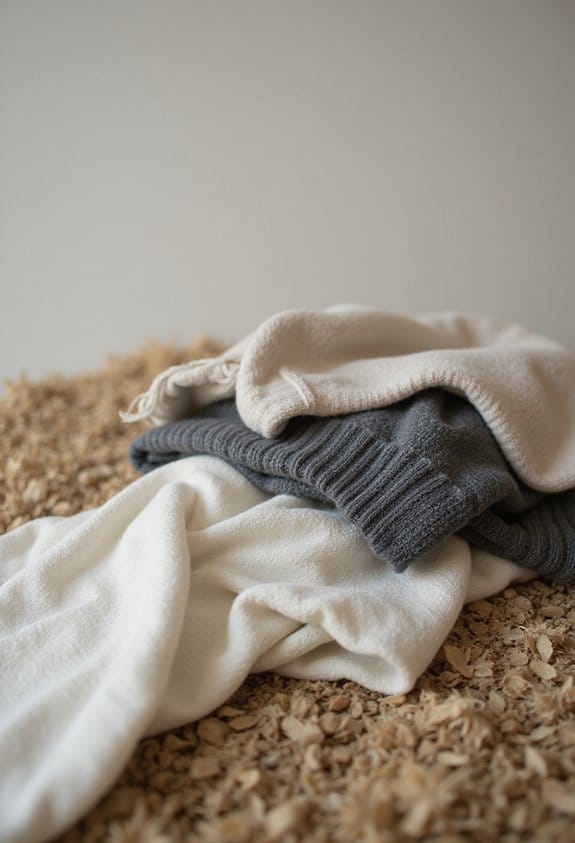
Textile waste is truly a growing problem, filling our landfills and impacting the environment! Did you know that a staggering 92 million tonnes of textile waste are produced every year? That’s like tossing tons of adorable clothes straight into a landfill! Currently, around 5% of landfill composition is made up of textiles, which are hard to break down. If we keep piling it up, we could see that number soar to 134 million tonnes by 2030! While only a tiny 15% is recycled, you can do your part! Consider shopping smarter and choosing brands that promote textile recycling. Additionally, opting for personalized gifts can help reduce waste by creating lasting memories instead of fast fashion items. Together, you can help reduce this fashion faux pas and sprinkle some magic into the world! Let’s vibe sustainably!
Resource Depletion and Ecosystem Damage

Resource depletion and ecosystem damage are important issues in our fast fashion world that require urgent attention! The fast fashion industry guzzles around 141 billion cubic meters of water every year—wow, that’s a lot of H2O! This enormous consumption leads to severe water shortages and threatens precious ecosystems. Cotton farming, a mainstay of fast fashion, often means chopping down adorable trees, causing biodiversity loss. Not to mention, chemicals from dyeing processes make the soil grumpy and less fertile! Adequate resource management is essential for ensuring that our shopping habits don’t drain our planet dry. Next time you go shopping, think about the magic of supporting sustainable brands that care for our earth! It’s a win for you and Mother Nature!
The Issues Surrounding Microplastic Pollution
Fast fashion can lead to some pretty adorable outfits but also opens the door to the sneaky problem of microplastic pollution! When you wash those cute synthetic clothes, they’re shedding microfibers like confetti at a party—up to 700,000 in a single wash! This is a big deal because these tiny plastic bits end up in our oceans, creating a huge marine impact. In fact, around 500,000 tons of microplastics enter our waters every year. If we love our oceans, it’s time to rethink our shopping habits! Consider natural fibers, such as organic cotton, wash less often, and embrace second-hand treasures! Your wardrobe can be trendy, eco-friendly, and even fun! Go ahead, make stylish choices that save the planet while you look fabulous!
Energy Consumption in Fiber Production
When it comes to clothing, energy consumption during fiber production is a big deal that can influence your wardrobe choices! Did you know that natural fibers like cotton and wool use much less energy than their synthetic counterparts? For example, flax takes just about 10 MJ/kg, while polyester guzzles a whopping 125 MJ/kg! That’s like asking your friend to lift a feather versus a boulder! Choosing adorable natural fiber outfits can help reduce energy use and give Mother Earth a little love! As fast fashion demands more synthetic fibers, it’s magic to reflect on eco-friendly options that save energy and our planet! So, next time you shop, think about energy consumption and make a fabulous choice for a greener wardrobe! Additionally, opting for bamboo pajamas can further enhance your commitment to sustainability, as bamboo fabric is not only energy-efficient to produce but also offers exceptional comfort.
Chemical Pollution From Dyeing Processes
Dyeing processes in the fashion industry can seem like a magical transformation, but the reality is far from enchanting! Behind those adorable, vibrant colors lurk some serious issues. Did you know that about 200 tonnes of water are used to dye just one tonne of textiles? Much of that water returns to rivers polluted with hazardous chemicals like lead and cadmium! Yikes! With up to 90% of synthetic dyes remaining unchanged after treatment, dye toxicity is a real problem for aquatic life and even humans. As fun as it is to shop for those cute outfits, consumers need to take into account the impact on our precious planet. So, next time you’re browsing, remember: fashion can also be sustainable and fabulous!
The Role of Consumer Demand in Environmental Impact
As consumers immerse themselves in the delightful world of fashion, they often hold the key to a brighter, more sustainable future! The magic of choice means every purchase has power. When you’re aware of the environmental toll of fast fashion, you can make adorable, sustainable choices! Imagine opting for quality over quantity, snagging unique second-hand treasures, or supporting brands committed to eco-friendly practices(eco-friendly pajamas). With consumer awareness growing, it’s time to ditch those cheap items often worn fewer than 10 times! Instead, embrace durable styles that will love your wardrobe back. By changing our shopping habits, we can reduce waste and pollution, creating an eco-conscious fashion scene that feels fabulous. Let’s step towards a brighter, greener future together!
Economic Growth of the Fast Fashion Industry
The fast fashion industry is experiencing a whirlwind of excitement and growth that makes it hard to resist! With a market size expected to skyrocket to $291.1 billion by 2032, you can see why everyone’s getting involved! However, this magic comes with its own set of challenges. As consumers revel in adorable, budget-friendly clothing, economic disparities emerge. Sadly, many workers face tough labor conditions, earning low wages for long hours. Despite these hurdles, the low prices allow everyone to keep their wardrobes fresh, especially during economic downturns! You can enjoy the latest trends while being aware of the bigger picture. It’s truly a balancing act! So, jump in and shop; just remember to think about those behind the scenes! Additionally, it’s crucial to consider the fabric quality of the garments, as many fast fashion items are made from low-quality materials that contribute to environmental degradation.
Potential Solutions for Sustainable Practices
When shoppers embrace sustainable practices, magic really happens in the fashion world! Imagine this: adorable outfits made from sustainable materials, and the joy of knowing they both look good and do good! Brands are rolling out repair services to help extend the life of your favorite pieces—less waste, more fun! Plus, garment rental programs let you rock a new style without adding to clutter. And don’t forget second-hand shopping; it’s like treasure hunting for fabulous finds! By choosing these innovative options, and supporting recycling efforts, you’re part of a growing movement. So next time you’re shopping, think sustainability and have a fantastic time making those eco-friendly choices that truly sparkle! Dress smart and be part of the solution! Additionally, consider investing in matching loungewear sets that are crafted from sustainable materials to promote both comfort and eco-consciousness.
Frequently Asked Questions
How Does Fast Fashion Affect Local Communities Economically?
Fast fashion generates economic disparity by undercutting local businesses, leading to community displacement as entrepreneurial ventures struggle to survive. This results in diminished economic diversity and negatively affects the sustainability of creative industries within affected areas.
What Are the Labor Conditions in Fast Fashion Production?
Labor conditions in fast fashion production are characterized by exploitation issues and violations of worker rights. Workers endure long hours, low wages, and unsafe environments, facing severe health risks and limited opportunities for organizing and advocating for better conditions.
Are There Any Certifications for Sustainable Clothing Brands?
In a world where “sustainable certifications” flourish like weeds, eco-friendly labels sprout everywhere, ensuring brands can wear virtue as fashionably as their garments, creating a dazzling charade for conscious consumers seeking greener wardrobes without much hassle.
How Can Consumers Make More Environmentally Friendly Fashion Choices?
Consumers can make more environmentally friendly fashion choices by prioritizing ethical consumption and selecting clothing made from sustainable materials. They can also support brands with recognized certifications, thereby promoting responsible production practices in the fashion industry.
What Role Do Fashion Influencers Play in Promoting Sustainability?
Fashion influencers play a significant role in promoting sustainability through effective blogging strategies, showcasing eco-friendly products, and amplifying awareness of sustainable practices. Their impact encourages mindful consumer behavior and fosters a culture emphasizing environmental responsibility within fashion.


