As an Amazon Associate, we earn from qualifying purchases. Some links on this site are affiliate links at no extra cost to you. Our recommendations are based on thorough research and editorial judgment.


What Happens to Textiles in Landfills

Textiles thrown into landfills face a tricky situation! They decompose slowly due to a lack of oxygen, which creates magical methane gas. Natural fibers, like cotton and hemp, break down quickly, while synthetic ones linger for decades—yikes! This leads to environmental pollution and sad marine life. But here’s the adorable news: recycling initiatives are popping up to reuse old clothes and help our planet! Want to learn more about how you can make a difference? Keep exploring!
Key Takeaways
- Textiles in landfills experience anaerobic conditions, hindering decomposition and slowing down the breakdown process significantly.
- Natural fibers decompose faster, typically within weeks, while synthetic fibers can persist for 20 to 200 years.
- Decomposing textiles produce greenhouse gases, especially methane, which contributes to climate change.
- Toxic leachate from decomposing textiles can seep into surrounding soil and water, causing environmental pollution.
- Overconsumption and fast fashion exacerbate textile waste in landfills, contributing to pollution and resource depletion.
Anaerobic Decomposition in Landfills
You may be interested



Have you ever wondered what happens to your old clothes when they’re tossed into a landfill? Well, prepare for some not-so-adorable news! When your textiles take a trip to the dump, they enter anaerobic conditions. This means they get snuggly packed, blocking out oxygen and slowing their breakdown. Who knew that microbial diversity could be so slow? The waste composition creates a party for anaerobic bacteria, but they struggle to work their magic, causing decomposition to drag on! This can lead to greenhouse gases like methane popping up, yikes! Plus, toxic leachate can sneak out, polluted and poofy! So next time you think of tossing those clothes, remember the not-so-sparkly consequences, and consider donating instead! Your wardrobe and the planet will thank you! Additionally, choosing to donate textiles can help reduce the environmental impact of landfills by promoting recycling and reuse.
Impact of Fiber Type on Decomposition Rates

When you think about your old clothes and their journey in landfills, it’s fascinating how the type of fiber can make such a difference in decomposition rates! Natural fibers like cotton and hemp can biodegrade in just weeks, thanks to their wonderful fiber characteristics. They break down faster than a cute puppy chasing its tail! Cotton might take just a week to 5 months, while hemp gets going in about two weeks. Meanwhile, synthetic fibers like polyester can take a whopping 20 to 200 years to decompose! That’s a long decomposition timeline! So, when you shop, remember: hugging the planet with natural fibers is both adorable and eco-friendly! Your closet can spark some magical changes! Additionally, opting for sustainable materials like bamboo can further reduce environmental impact due to its biodegradable properties. Happy shopping!
Recommended Products

PURPOSE OF DESIGN: Maggie’s Organic Cotton Classic Crew Socks are made from pure organic cotton, that feels soft on the skin and doesn’t irritate your skin. The fabric is weaved with gentle fibers that wick away moisture and keeps your feet dry.
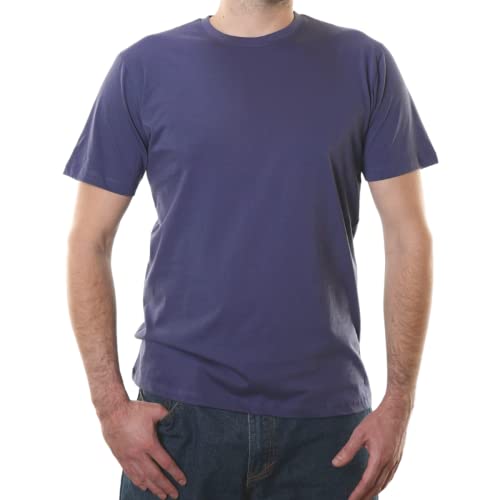
These 100% cotton shirts for men are not only softer, cooler, and more breathable than non-organic cotton t-shirts, they are made with more durable, longer-lasting fibers.
Environmental Consequences of Textile Waste

The environmental consequences of textile waste are a pressing issue that everyone can help tackle! Each year, millions of tons of textiles fill landfills, creating serious problems like landfill toxicity and climate change. Did you know that natural fibers decay and release methane, a super-potent greenhouse gas? Synthetic fabrics, on the other hand, stick around for hundreds of years, refusing to decompose! This textile degradation can leak harmful chemicals into our soil and water, making Mother Earth sad. Plus, washing synthetic clothes sends pesky microfibers into oceans, where they harm adorable sea creatures! By supporting eco-friendly brands and recycling your old clothes, you can create a magical chain reaction for the planet. Additionally, choosing organic bamboo pajamas can help reduce textile waste and promote sustainability. Let’s save our Earth, one fab outfit at a time!
Textile Recycling and Waste Diversion Methods

As textile waste continues to pile up in landfills, innovative recycling methods are stepping into the spotlight, offering hope and a chance to make a positive impact! Many companies focus on textile reuse initiatives, turning old clothes into adorable new items like bags or even insulation! Mechanical recycling is making waves, shredding those unwanted fabrics to create useful products. Meanwhile, chemical recycling is like magic for polyester, giving it a new life! By supporting these initiatives, you’re not only helping the planet but also finding unique treasures. Imagine wearing something that was once a discarded shirt! Additionally, choosing sustainably sourced bamboo textiles, known for their eco-friendly practices, can further contribute to reducing waste and promoting environmental responsibility. So, let’s plunge into sustainable shopping—who knew reusing could be this fun? Join the movement and become a recycling champion today!
Recommended Products

🧽 Made from Recycled Materials – Each rag is cut from reclaimed multicolored T-shirt fabric, helping reduce textile waste while offering a soft, absorbent cleaning...
Contribution of Fast Fashion and Consumer Behavior

Fast fashion stands as a colorful giant in the clothing industry! It dazzles shoppers with quick trends and adorable styles, but it comes with a hefty environmental price tag. The fast fashion model encourages you to buy more, but it leads to mountains of textile waste. A staggering 92 million tonnes of textiles end up in landfills each year! While we love staying trendy, this consumer impact contributes to pollution and resource depletion. The joyful thrill of a new outfit can turn into a sad reality for our planet. Let’s consider more sustainable choices next time you shop! After all, looking great shouldn’t mean trashing our beautiful Earth! Making smarter decisions can create magic for both style and sustainability!
Research and Future Directions in Textile Decomposition Management
Innovative research is paving the way for exciting breakthroughs in textile decomposition management! Imagine a world where old clothes become adorable compost instead of unhealthy waste! Thanks to biotechnological advancements, researchers are discovering magic ways to decompose textiles faster and safer! Enzymes are leading the charge, helping separate fabrics and turning them into recyclable treasures. Isn’t that fantastic? By promoting sustainable practices, we can cut down on landfills and give new life to our used clothing! Plus, let’s not forget the need for tougher policies to guarantee we’re all doing our part. Together, through international cooperation and smarter recycling tech, we can tackle textile waste, making our planet happier and healthier! So, why not support these amazing changes today?
Frequently Asked Questions
How Long Do Textiles Typically Remain in Landfills Before Breaking Down?
Textiles typically remain in landfills for 200 years or longer, with microfiber pollution exacerbating environmental concerns. Their extended landfill lifespan contributes considerably to waste accumulation and introduces harmful substances into surrounding ecosystems over time.
Are There Any Organizations Focused on Textile Waste Reduction?
Textile recycling and waste education are prioritized by proactive organizations like FABSCRAP and the Zero Waste Textile Initiative, fostering fabric-focused solutions to curb waste while promoting sustainable practices and encouraging community collaboration for a circular economy.
What Happens to Clothing Donations Not Sold in Second-Hand Stores?
Clothing donations not sold in second-hand stores often face donation challenges, leading to recycling efforts for some garments. However, a significant amount ultimately contributes to landfill waste or is incinerated, exacerbating textile disposal issues.
Can Landfills Be Transformed Into Sustainable Textile Waste Management Facilities?
Landfills can indeed be transformed into sustainable textile waste management facilities through waste transformation and sustainable innovation. Implementing advanced sorting technologies and recycling systems will enhance textile processing efficiency while reducing environmental impact and promoting circular economy practices.
Are There Biodegradable Alternatives to Conventional Textiles Available Now?
In a world reminiscent of nature’s cyclical patterns, biodegradable fabrics and sustainable materials are emerging triumphantly. Innovations like TENCEL™ and Piñatex pave the way for eco-conscious fashion choices, reflecting humanity’s growing commitment to environmental responsibility.


